Channel 4 CCO Rak Patel on why legacy media is vital in the disinformation era

Channel 4's CCO Rak Patel explains why the trusted content of legacy media will remain vital in the fight against social media disinformation
Face to FaceFeaturesNewsOpinion

Social media is in a very dark phase at the moment, which began with the acquisition of Twitter, now known as X, by Elon Musk in 2022 and was crystalised with Meta bringing an end to fact-checking earlier this year.

Some of the world’s most-used and best-loved platforms appear to be in freefall.

What is categorically clear is that they are no longer a safe space for advertisers to operate in. The risk of having your brand appearing alongside hate speech or even graphic self-harm material is simply too great at present for platforms like X or Facebook to form genuinely attractive propositions for campaigns.

This is why, despite years of declining viewership and ad spend, traditional broadcast TV continues to be an incredibly attractive proposition for advertisers, forming a bastion of sorts for those looking for genuinely brand safe environments.

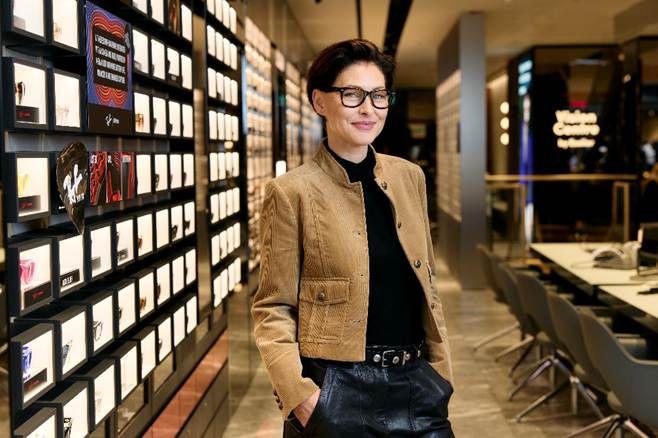
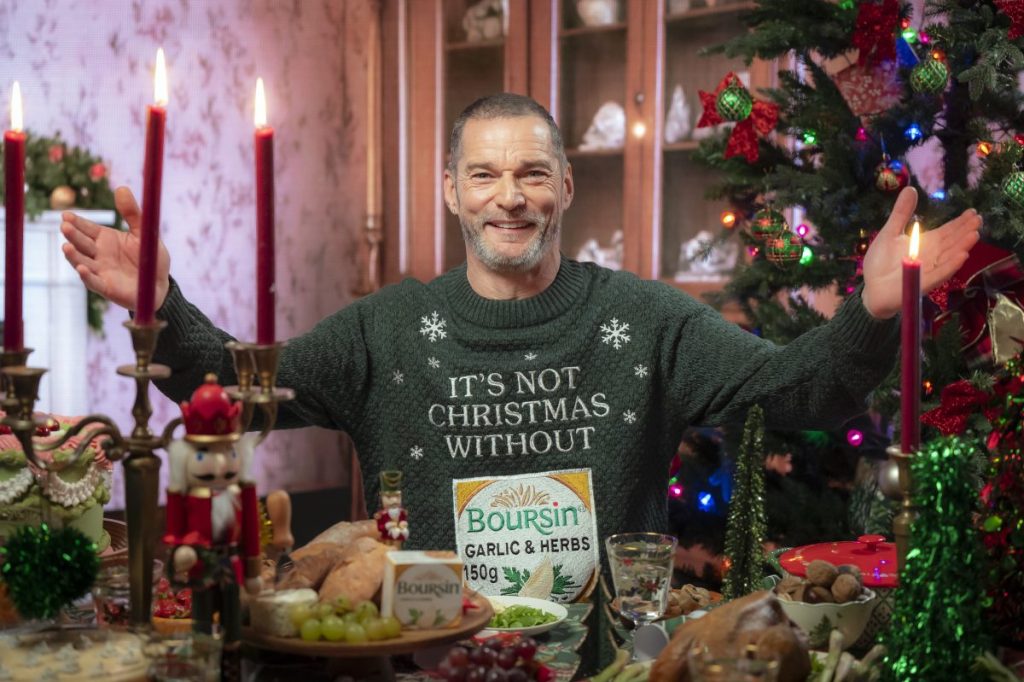
A predicament aptly summarised by Channel 4’s chief commercial officer Rak Patel (above), who recently explained: “When investing in TV, it doesn’t fund hate speech, child abuse, eating disorders, porn, terrorism, riots, or platforms that damage our kids mental health.”

A bastion of brand safety

So, what does this all mean for the future of traditional broadcast TV? From an advertising perspective, an awful lot.

The surprising disintegration of X and Facebook’s credibility as brand safe environments means that old school TV, and broadcasters like Channel 4 have now become more attractive propositions than their more nimble, digital counterparts.

This is at odds with everything we might have predicted only a few years ago. But X’s downward spiral into de-regulation and pro far-right content has been sudden, shocking and considerably disorientating for advertisers who had previously considered Twitter a vital pillar in their social media campaigns.

And now Mark Zuckerberg’s pandering to Donald Trump and the US’ shifting political climate has led to similar issues at Meta, which no longer ‘fact-checks’ content, lest it be a barrier to free speech.

This is why, as Patel tells Marketing Beat, legacy broadcasters like Channel 4 stand to gain an awful lot by filling the vacuum left by Big Tech’s shifting political compass and currently frightening lack of reliability.

“If you look at any Credos Trust Tracker over the space of years, TV is always sitting at the top of that. And if I delve a little bit deeper, into what drives and powers that trust; it’s that, and I do think this is a superpower of TV, is that friction that’s actually created through the governance and regulation that sits over the top of the creative coming on to any TV channel broadcaster.”


Subscribe to Marketing Beat for free

Sign up here to get the latest agency-related news sent straight to your inbox each morning


A fragmented landscape

Another key development that has marked the media landscape over the last decade in particular is its increasing fragmentation as a busy, and ever-more tech savvy viewership base chooses to consume its content in an increasingly diverse variety of ways.

The rise and rise of streaming as a veritable media juggernaut since the mid-2010s has in many ways re-defined how most people in Britain interact with their TVs, opening up a sharp generational divide.

According to Ofcom’s most recent figures, only 48% of young audiences (16-24) tuned in to live TV in an average week in 2024, down from 76% in 2018, with the weekly reach of traditional TV falling by a record amount in the last year.

The regulator found that young people under the age of 25 vastly preferred the “flexibility” offered by video-sharing platforms such as YouTube and TikTok, but that live TV was a key pillar for consuming culturally important live moments, such as the Euro 2024 football final, which saw England defeated by Spain.

As such, TV will continue to prove a vital medium for advertisers looking to reach more financially established age groups, who continue to consume live programming in significant amounts, while broadcaster video-on-demand also enables brands to reach audiences within the safely regulated Ofcom sphere.

Highlighting Channel 4’s long-time prominence in the sector, Patel explains: “Our VOD proposition came out 20 years ago, so before maybe some of the streamers even came into the marketplace. So we start from a strong position, that’s the first thing.”

“The second thing is that we’re continually evolving the offering and the product suite within, programmatic advertising is something that we believe in, and is an area where I think we’ve got some headroom here as well, across the years ahead, in terms of how we can really partner with brands,” he added.

The disinformation era

As we enter the second quarter of the 21st century, the challenges for legacy broadcasters like Channel 4 are manifold as public trust in traditional media is eroded by the impact of unregulated – and at times completely erroneous information – widely shared across social media platforms.

According to a recent study conducted by the broadcaster into how Gen Z (those born between 1997 and 2012) interact with various media platforms, they are more likely to trust a friends’ social media post than a report published by the BBC.

However, their overall trust in the BBC is still five percent higher than those aged 28 to 65, which despite forming a very large cohort, is increasingly marked by its distrust of all types of media, be it broadcast, social, advertising or influencers.

This alarming rise in the distrust of traditional media and to a certain extent its journalistic content, is precisely why stringently regulated platforms like Channel 4 and the BBC will continue to remain vital in the fight against the proliferation of disinformation.

“It’s a real concern to me,” Patel said.

“This goes back to the point of the role Channel 4 has within UK society. It’s not just a matter of a creating report that shows the areas that you can target Gen Z, which is obviously important for our advertisers, The Gen Z Report gives us real evidence in for what we should be driving for in terms of industry change.

Elaborating upon a three-point strategy championed by outgoing CEO Alex Mahon, Patel explained: “The first is centred around a trust mark around all public service media (PSM) content on social media platforms, as we know that the Gen Z audience is finding it hard to know what is truthful. Secondly, we want to focus on maintaining PSM’s prominence across social media as a trusted voice.”

“And then the third point is around, how we train the language learning models (Gen AI) so that they’re very aware of this trusted news or trusted content coming from PSM versus anything else.”

He added: “That is something that we would be very happy to work with the social media platforms on, in terms of the models that they use to train their AI to identify what is truthful and what’s not, or what’s fact based or what’s not.”

Whatever lies in store for the future of the British and global media landscapes over the next 25 years, the trusted role that legacy platforms like Channel 4 play will remain crucial in fighting disinformation and maintaining trust in the media content we interact with.


Face to FaceFeaturesNewsOpinion

Channel 4 CCO Rak Patel on why legacy media is vital in the disinformation era

Channel 4's CCO Rak Patel explains why the trusted content of legacy media will remain vital in the fight against social media disinformation

Social

SUBSCRIBE TO OUR DAILY NEWSLETTER

  • This field is for validation purposes and should be left unchanged.

Most Read

Social media is in a very dark phase at the moment, which began with the acquisition of Twitter, now known as X, by Elon Musk in 2022 and was crystalised with Meta bringing an end to fact-checking earlier this year.

Some of the world’s most-used and best-loved platforms appear to be in freefall.

What is categorically clear is that they are no longer a safe space for advertisers to operate in. The risk of having your brand appearing alongside hate speech or even graphic self-harm material is simply too great at present for platforms like X or Facebook to form genuinely attractive propositions for campaigns.

This is why, despite years of declining viewership and ad spend, traditional broadcast TV continues to be an incredibly attractive proposition for advertisers, forming a bastion of sorts for those looking for genuinely brand safe environments.

A predicament aptly summarised by Channel 4’s chief commercial officer Rak Patel (above), who recently explained: “When investing in TV, it doesn’t fund hate speech, child abuse, eating disorders, porn, terrorism, riots, or platforms that damage our kids mental health.”

A bastion of brand safety

So, what does this all mean for the future of traditional broadcast TV? From an advertising perspective, an awful lot.

The surprising disintegration of X and Facebook’s credibility as brand safe environments means that old school TV, and broadcasters like Channel 4 have now become more attractive propositions than their more nimble, digital counterparts.

This is at odds with everything we might have predicted only a few years ago. But X’s downward spiral into de-regulation and pro far-right content has been sudden, shocking and considerably disorientating for advertisers who had previously considered Twitter a vital pillar in their social media campaigns.

And now Mark Zuckerberg’s pandering to Donald Trump and the US’ shifting political climate has led to similar issues at Meta, which no longer ‘fact-checks’ content, lest it be a barrier to free speech.

This is why, as Patel tells Marketing Beat, legacy broadcasters like Channel 4 stand to gain an awful lot by filling the vacuum left by Big Tech’s shifting political compass and currently frightening lack of reliability.

“If you look at any Credos Trust Tracker over the space of years, TV is always sitting at the top of that. And if I delve a little bit deeper, into what drives and powers that trust; it’s that, and I do think this is a superpower of TV, is that friction that’s actually created through the governance and regulation that sits over the top of the creative coming on to any TV channel broadcaster.”


Subscribe to Marketing Beat for free

Sign up here to get the latest agency-related news sent straight to your inbox each morning


A fragmented landscape

Another key development that has marked the media landscape over the last decade in particular is its increasing fragmentation as a busy, and ever-more tech savvy viewership base chooses to consume its content in an increasingly diverse variety of ways.

The rise and rise of streaming as a veritable media juggernaut since the mid-2010s has in many ways re-defined how most people in Britain interact with their TVs, opening up a sharp generational divide.

According to Ofcom’s most recent figures, only 48% of young audiences (16-24) tuned in to live TV in an average week in 2024, down from 76% in 2018, with the weekly reach of traditional TV falling by a record amount in the last year.

The regulator found that young people under the age of 25 vastly preferred the “flexibility” offered by video-sharing platforms such as YouTube and TikTok, but that live TV was a key pillar for consuming culturally important live moments, such as the Euro 2024 football final, which saw England defeated by Spain.

As such, TV will continue to prove a vital medium for advertisers looking to reach more financially established age groups, who continue to consume live programming in significant amounts, while broadcaster video-on-demand also enables brands to reach audiences within the safely regulated Ofcom sphere.

Highlighting Channel 4’s long-time prominence in the sector, Patel explains: “Our VOD proposition came out 20 years ago, so before maybe some of the streamers even came into the marketplace. So we start from a strong position, that’s the first thing.”

“The second thing is that we’re continually evolving the offering and the product suite within, programmatic advertising is something that we believe in, and is an area where I think we’ve got some headroom here as well, across the years ahead, in terms of how we can really partner with brands,” he added.

The disinformation era

As we enter the second quarter of the 21st century, the challenges for legacy broadcasters like Channel 4 are manifold as public trust in traditional media is eroded by the impact of unregulated – and at times completely erroneous information – widely shared across social media platforms.

According to a recent study conducted by the broadcaster into how Gen Z (those born between 1997 and 2012) interact with various media platforms, they are more likely to trust a friends’ social media post than a report published by the BBC.

However, their overall trust in the BBC is still five percent higher than those aged 28 to 65, which despite forming a very large cohort, is increasingly marked by its distrust of all types of media, be it broadcast, social, advertising or influencers.

This alarming rise in the distrust of traditional media and to a certain extent its journalistic content, is precisely why stringently regulated platforms like Channel 4 and the BBC will continue to remain vital in the fight against the proliferation of disinformation.

“It’s a real concern to me,” Patel said.

“This goes back to the point of the role Channel 4 has within UK society. It’s not just a matter of a creating report that shows the areas that you can target Gen Z, which is obviously important for our advertisers, The Gen Z Report gives us real evidence in for what we should be driving for in terms of industry change.

Elaborating upon a three-point strategy championed by outgoing CEO Alex Mahon, Patel explained: “The first is centred around a trust mark around all public service media (PSM) content on social media platforms, as we know that the Gen Z audience is finding it hard to know what is truthful. Secondly, we want to focus on maintaining PSM’s prominence across social media as a trusted voice.”

“And then the third point is around, how we train the language learning models (Gen AI) so that they’re very aware of this trusted news or trusted content coming from PSM versus anything else.”

He added: “That is something that we would be very happy to work with the social media platforms on, in terms of the models that they use to train their AI to identify what is truthful and what’s not, or what’s fact based or what’s not.”

Whatever lies in store for the future of the British and global media landscapes over the next 25 years, the trusted role that legacy platforms like Channel 4 play will remain crucial in fighting disinformation and maintaining trust in the media content we interact with.

Face to FaceFeaturesNewsOpinion

RELATED STORIES

Most Read

Latest Feature

Latest Podcast

Menu