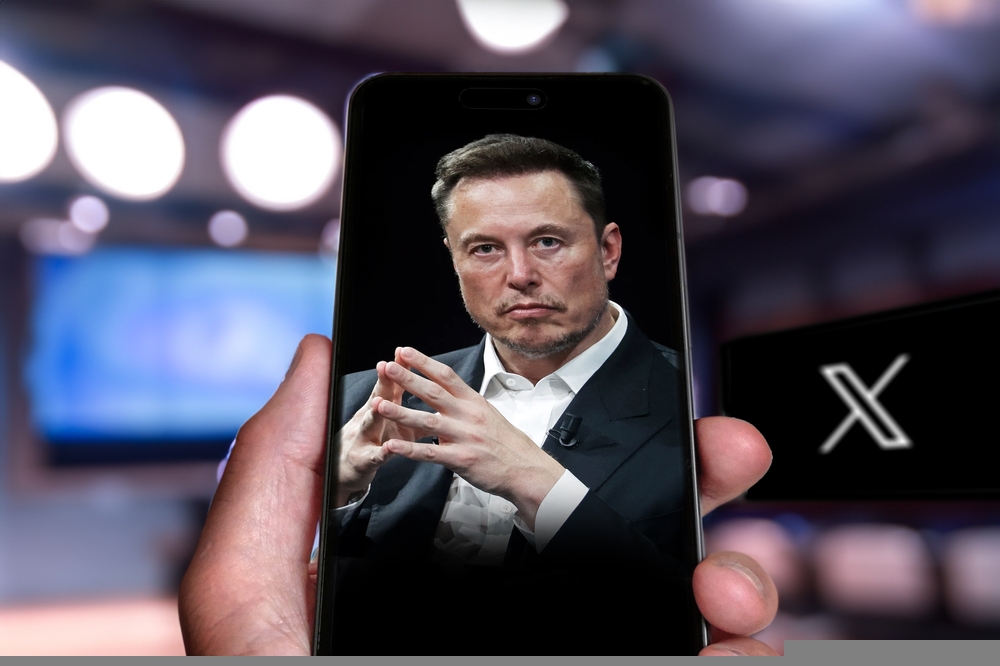
Elon Musk and controversy are two words that often go hand-in-hand, especially when it comes to the advertising world.
The latest move from the tech billionaire is to take out a lawsuit against advertisers and major brands over a “massive advertiser boycott”, accusing major companies such as Mars and Unilever of conspiring to make his social media platform X lose “billions of dollars in advertising revenue”.
Many of the brands who stopped advertising on X – formerly known as Twitter – were acting via the Global Alliance for Responsible Media (GARM), which was set up to help the industry address the monetisation of illegal or harmful content on digital media platforms.
Commenting on the lawsuit, the billionaire wrote: “We tried peace for 2 years, now it is war”. The question for advertisers is – will it really be and what can they do about it?
We tried peace for 2 years, now it is war https://t.co/elgT62uDtF
— Elon Musk (@elonmusk) August 6, 2024
How are advertisers reacting to the decision?
As a member of the GARM steering committee, The Incorporated Society of British Advertisers (ISBA) was involved in helping to develop a Brand Suitability Framework which could be used to describe harmful online content in consistent and understandable language.
It also assisted with developing a Brand Safety Floor, which identifies content which is “inappropriate for any advertising support”.
“Platforms have been a part of this effort, and their adherence to the Framework and Floor and their own terms and conditions on the prevalence of unacceptable content are assessed in regular, publicly available transparency reports,” ISBA told Marketing Beat.
“[We have] been consistently clear that every advertiser must make their own individual decisions on advertising investment – and has the right to spend where it sees fit,” it continued.
“We have also been consistent in our strong support for user safety online and for a brand-safe environment, where our members’ advertising does not appear next to unacceptable or harmful content.”
‘Musk is just one voice’
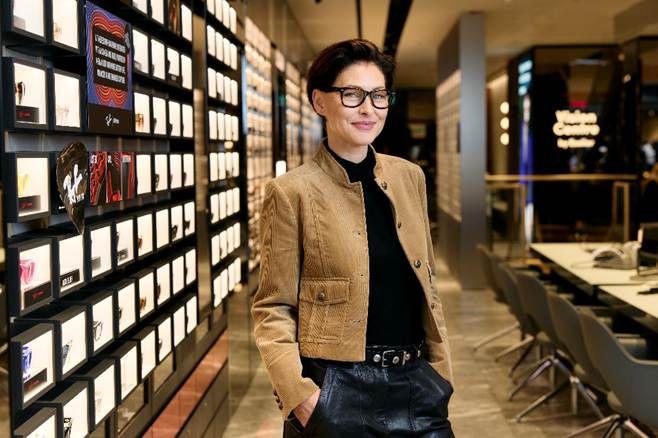
BBD Perfect Storm Co/Labs managing partner Laura Redman said it was “incredibly concerning” that X “assume they have power over where and how brands are represented”.
“Musk’s latest chaos-inducing move should be a watershed moment for brands and platforms. It is incredibly concerning to see X assume they have the power over where and how brands are represented.
“For advertisers, it is their autonomy over their budget, their brand and their philosophy that ensures the balance of power is tipped firmly in their favour. No brand wants to fuel illegal or harmful content. YouTube listened and took action in response to brands fear around the safety of the platform years earlier, X’s response to challenge the brands in this way is absurd.
“My hope is that the brands caught up in the lawsuit, and those that activate on X, stand firm and stay true to their own values. These brands can be a force for positive change in how the platforms implement their safeguarding, simply do better or we stop investing.
“Musk is just one voice, but brands have the power and responsibility to be the voice of the many.”
‘Suing your prospects is an interesting sales strategy’
Founder and executive chair of global social media agency The Social Element Tamara Littleton said “suing your prospects is an interesting sales strategy”.
“No brand is legally obliged to place ads anywhere. Musk has made his bed, and is marking the end of X’s relationships with advertisers. Brands who pulled their ad dollars from the platform over brand safety concerns can rest assured that they have done the right thing,” she continued.
“Only brands have the power to hit X where it hurts until they see positive change, so it’s imperative that as an industry we stand against toxicity and let them know we can’t and won’t fund it.”
X is like Twitter’s evil twin brother
Dude London executive creative director Curro Piqueras is not pulling any punches, describing X as “Twitter’s evil twin brother, akin to Hugo and Bart”.
“They look alike, but as X ages, the differences become increasingly evident,” he continued. “Fact-checking has dramatically declined, while some alt-right outlets have seen their engagement grow exponentially.
“In recent weeks, Elon Musk has shared manipulated videos of Kamala Harris, and supporter X accounts have been tagged as scams, neutralising their reach. This is the X that Elon Musk is building – a wild, wild X where everything is accepted and where its algorithm is Musk’s puppet, raising or reducing someone’s engagement depending on their ideas or lack of them?
“In this context, my question is: Who would want to advertise on a network where the content becomes less truthful every day? What mechanisms will advertisers have to avoid having their ads displayed next to a white supremacy hashtag, as has happened in the past? Which target audience will we reach on a platform where the same CEO called Kamala Harris a communist and directly incites violence in the UK?
“Good luck Mars, Unilever, and CVS. I wish you an overwhelming victory.”
Social platforms must do more
Co-founder of creative agency re:act Tom Stone said it was “crucial to recognise the distinction between organic and paid content” on social media.
“Organically, if someone interacts with far-right movement videos, the algorithm will likely keep serving them similar content. This self-reinforcing loop is tricky because it underscores the importance of freedom of speech while highlighting the reach and power of social media.
“However, the real issue arises when content shifts from organic to paid. When individuals or groups can promote content to wider, highly-segmented audiences, the potential for harm increases significantly.
Social platforms must do more to prevent the promotion of content that incites hatred or spreads misinformation. Currently, the measures in place aren’t stringent enough, and much can slip through due to the often manual nature of the review process.
“An uber-cautious approach should be adopted for paid content, ensuring that nothing harmful is promoted. Social media channels need to step up their game to support the wider population and prevent the spread of harmful ideologies.
“The balance between freedom of speech and protecting the public from dangerous content is delicate, but it’s a responsibility that these platforms must take seriously.”
Musk and X: Timeline of a turbulent affair
- February 2023: A few months after buying the platform, then Twitter, in October 2022, Musk was already under scrutiny for featuring too many irrelevant and annoying advertisements. He apologised.
Sorry for showing you so many irrelevant & annoying ads on Twitter!
We’re taking the (obvious) corrective action of tying ads to keywords & topics in tweets, like Google does with search.
This will improve contextual relevance dramatically.
— Elon Musk (@elonmusk) February 17, 2023
- November 2023:
- After a loss in advertising revenue X CEO Linda Yaccarino travelled to London to woo top advertising dogs.
- A swathe of brands including IBM, Disney, Apple, and even the British government, pulled advertising from the platform after Musk was embroiled in an antisemitism scandal.
- Musk told advertisers to “go f*ck themselves” over their decision to pull out.
- June 2024: Musk spoke at Cannes Lions, taking to the stage with WPP’s Mark Read, and told advertisers that his previous remark was about freedom of speech over being “censored for money”.
- August 2024:
- Musk is forced to shut San Francisco headquarters due to “processing payments”, and shares plans to relocate both X and Space X to Texas.
- X takes legal action over advertisers boycotting the platform calling the behaviour, with CEO Linda Yaccarino sharing an open letter calling the behaviour a “stain on a great industry”.