Retail media is nothing new – so what’s all the fuss about?

A report by customer engagement firm Twilio, has found 66% of consumers avoid purchasing from brands they find untrustworthy.
FeaturesMarketing StrategyNewsOpinion

Retail media is set to be the fastest growing media channel in 2024, overtaking TV spending (both connected and linear) by 2028.

It’s a bold statement to make, but with global spend forecast to reach $130 billion this year, retail media is revolutionising the advertising industry.

SMG chief strategy officer Katie Streeter Hurle asks what’s changed and why adland is suddenly making such a fuss about retail media.


Despite what some industry pundits would have you think, retail media is far from ‘new’. In fact, it has been around in various forms for decades, with loyalty schemes starting around 30 years ago and ecommerce almost 20 years ago.

The difference is that over the last 18 months, there have been huge advancements in technology which have meant that the mountains of data that retailers have been sitting on has become useable in different ways for the first time.

That data can now be used to sharpen and improve the targeting of traditionally upper-funnel channels like connected TV (CTV), social media and OOH. The advent of clean rooms has also meant that the data can be used in a privacy safe way.

This all means that retailers are now being recognised as serious and sophisticated media businesses.

For brands, the value of retailer data, which reveals actual shopping behaviours and real transactions, is like gold dust. The customer data Boots has from its 17 million Advantage Card customers means it knows what its customers buy and how they browse products online – crucial when creating personalised and targeted campaigns.

This is why we are starting to see brands invest significant spend into this category of advertising. When we look at the increase in investment in retail media, it’s not necessarily that shopper budgets are increasing – rather performance and brand marketing budgets are being repurposed in order to give real firepower to retail media campaigns.


Subscribe to Marketing Beat for free

Sign up here to get the latest marketing news sent straight to your inbox each morning


Putting your budget where the returns are

As the retail media landscape continues to grow and become more complex, retailers need to compete for brand spend by building marketing channels, services and capabilities that work and become effective choices for brands over the long term.

This is a completely different mindset for most retailers who have historically never had to behave in this way.

But with more than 240 retail media networks (RMNs) currently on offer, how do brands know where to invest their advertising budget? By our estimations, there are now 5,184 retail media channels to choose from globally. Yes, it’s great that there’s so much choice (and of course, competition often creates better value) but in reality, there are only so many RMNs most brands can work with.

Having a retail media measurement strategy in place, to compare activations across platforms consistently and quickly in order to re-direct investment to the most effective places, is a good first step.

The reality is that some retail media channels will work in certain categories, for certain missions or objectives, but not all. So brands need to be intentional about experimentation and clear about measurement.

Our own work with brands like pladis, Kenvue and General Mills has proved that brands with an effective measurement strategy are improving their retail media ROI by as much as 477%.

The holy grail of advertising

First-party data activation can be expensive, so costs need to be considered in the overall media spend budget.

For some brands, this investment is absolutely worth it, as it’ll tighten the targeting of the campaign to the optimum audience and the campaign will pay out. But for others, all it will do is increase the cost of the campaign and potentially diminish the return on investment.

Brands need to quickly identify where it is worth investing in that segmentation, and where they should activate against broader, lower-cost audiences instead.

There’s no doubt that retail media offers an unrivalled way to engage with customers both online and offline. By connecting in-store media touchpoints with digital commerce, brands can track the customer journey from ad exposure to purchase, even if the journey spans multiple channels.

It is this closed-loop of data measurement that really is the holy grail of advertising.

If brands can understand their return on investment and return on ad spend, as well as long-term outcomes such as the acquisition of new customers, increase in repeat purchases and growing basket size of existing customers, then they can adapt strategies and optimise campaigns to drive better performance.

Ultimately, of course, creating better experiences for their customers.

What next for retail media?

Over the next 12-18 months, we’re likely to see an increase in complexity before we then see a real push for some much-needed simplicity and consolidation.

There will certainly be more developments in CTV partnerships, as we’ve already seen with the likes of 4OD and ITVX working with Boots Media Group and dunnhumby.

It’s also likely that we will see a proliferation in the use of AI, primarily in the creative development space.

This will be particularly exciting as creative can be difficult to develop at scale and is not always a priority in the retail media space, despite creative driving as much as 50% of campaign performance.

We’re also likely to see more non-traditional RMNs launch as we’ve already seen with Uber Ads, PayPal and Expedia, as businesses look for new ways to use their data and media assets to offer something in a slightly different to the rest of the market. In turn, this will open up new media opportunities for brands, even if the intention is to drive sales.

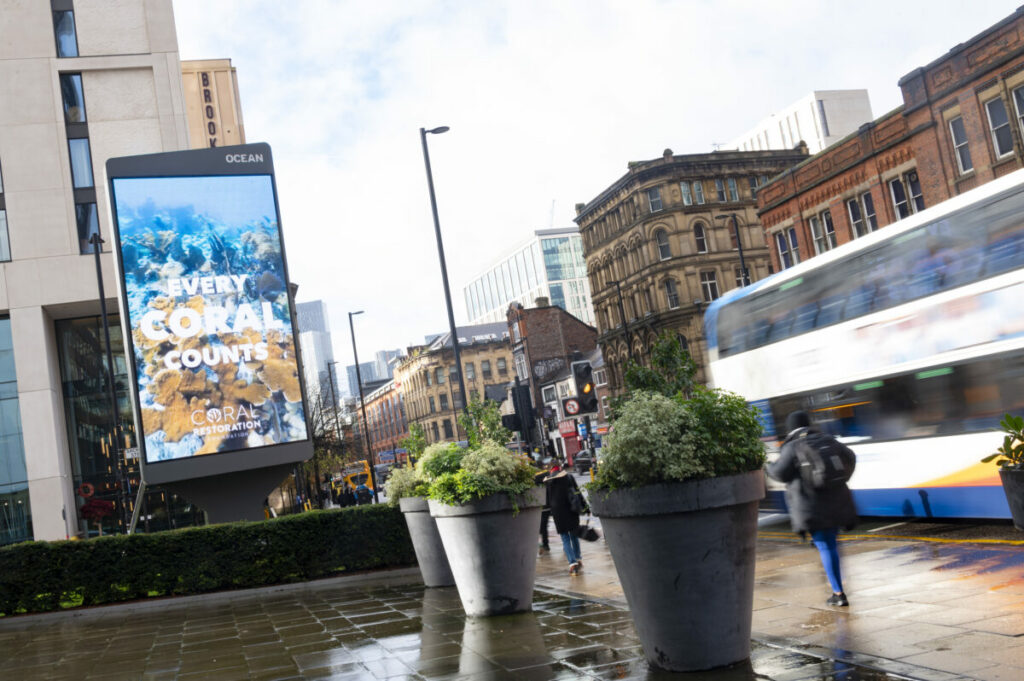
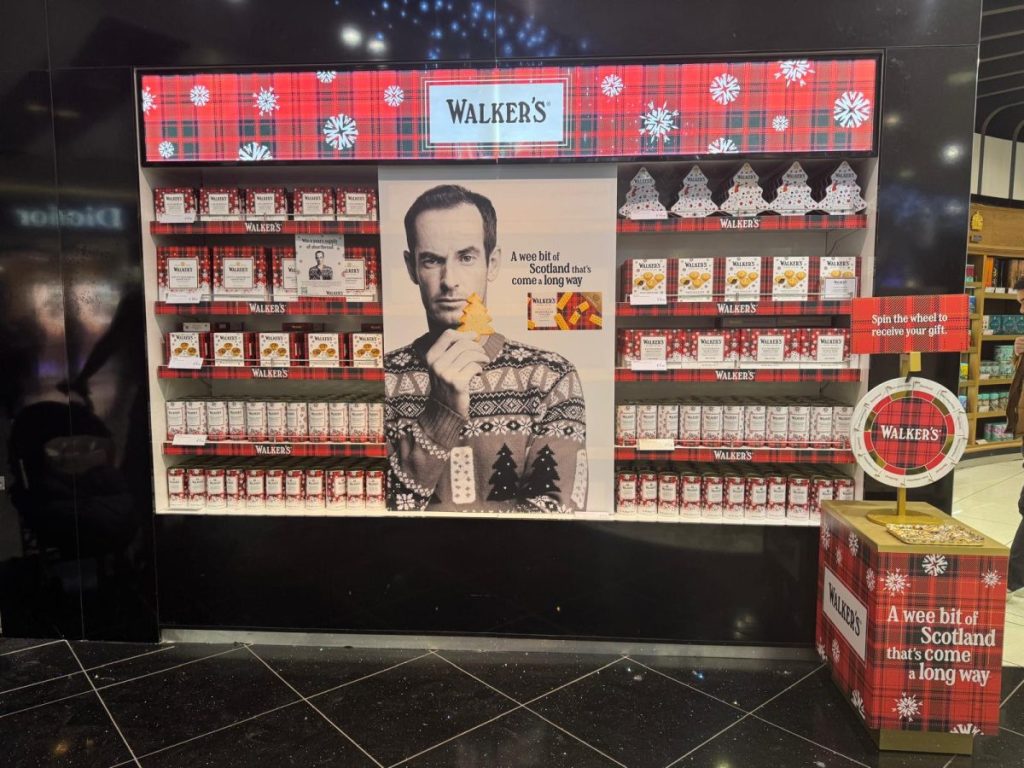
Investment in in-store digitisation is likely to be a real point of focus, with retailers spending more money on physical retail media digitisation in order to replicate the delivery, measurability, and optimisation capabilities customers benefit from online, further connecting physical and digital experiences. For example, digital screens or AI-driven interactive experiences are likely to become more common in bricks and mortar stores, influencing shoppers right at the point of purchase.

There’s no doubt that as new innovations in the retail media space continue to hit the market, brands will continue to move more of their media budget into this channel.

And why not? The size of the retail media prize certainly seems worth the investment.

FeaturesMarketing StrategyNewsOpinion

Retail media is nothing new – so what’s all the fuss about?

A report by customer engagement firm Twilio, has found 66% of consumers avoid purchasing from brands they find untrustworthy.

Social

SUBSCRIBE TO OUR DAILY NEWSLETTER

  • This field is for validation purposes and should be left unchanged.

Most Read

Retail media is set to be the fastest growing media channel in 2024, overtaking TV spending (both connected and linear) by 2028.

It’s a bold statement to make, but with global spend forecast to reach $130 billion this year, retail media is revolutionising the advertising industry.

SMG chief strategy officer Katie Streeter Hurle asks what’s changed and why adland is suddenly making such a fuss about retail media.


Despite what some industry pundits would have you think, retail media is far from ‘new’. In fact, it has been around in various forms for decades, with loyalty schemes starting around 30 years ago and ecommerce almost 20 years ago.

The difference is that over the last 18 months, there have been huge advancements in technology which have meant that the mountains of data that retailers have been sitting on has become useable in different ways for the first time.

That data can now be used to sharpen and improve the targeting of traditionally upper-funnel channels like connected TV (CTV), social media and OOH. The advent of clean rooms has also meant that the data can be used in a privacy safe way.

This all means that retailers are now being recognised as serious and sophisticated media businesses.

For brands, the value of retailer data, which reveals actual shopping behaviours and real transactions, is like gold dust. The customer data Boots has from its 17 million Advantage Card customers means it knows what its customers buy and how they browse products online – crucial when creating personalised and targeted campaigns.

This is why we are starting to see brands invest significant spend into this category of advertising. When we look at the increase in investment in retail media, it’s not necessarily that shopper budgets are increasing – rather performance and brand marketing budgets are being repurposed in order to give real firepower to retail media campaigns.


Subscribe to Marketing Beat for free

Sign up here to get the latest marketing news sent straight to your inbox each morning


Putting your budget where the returns are

As the retail media landscape continues to grow and become more complex, retailers need to compete for brand spend by building marketing channels, services and capabilities that work and become effective choices for brands over the long term.

This is a completely different mindset for most retailers who have historically never had to behave in this way.

But with more than 240 retail media networks (RMNs) currently on offer, how do brands know where to invest their advertising budget? By our estimations, there are now 5,184 retail media channels to choose from globally. Yes, it’s great that there’s so much choice (and of course, competition often creates better value) but in reality, there are only so many RMNs most brands can work with.

Having a retail media measurement strategy in place, to compare activations across platforms consistently and quickly in order to re-direct investment to the most effective places, is a good first step.

The reality is that some retail media channels will work in certain categories, for certain missions or objectives, but not all. So brands need to be intentional about experimentation and clear about measurement.

Our own work with brands like pladis, Kenvue and General Mills has proved that brands with an effective measurement strategy are improving their retail media ROI by as much as 477%.

The holy grail of advertising

First-party data activation can be expensive, so costs need to be considered in the overall media spend budget.

For some brands, this investment is absolutely worth it, as it’ll tighten the targeting of the campaign to the optimum audience and the campaign will pay out. But for others, all it will do is increase the cost of the campaign and potentially diminish the return on investment.

Brands need to quickly identify where it is worth investing in that segmentation, and where they should activate against broader, lower-cost audiences instead.

There’s no doubt that retail media offers an unrivalled way to engage with customers both online and offline. By connecting in-store media touchpoints with digital commerce, brands can track the customer journey from ad exposure to purchase, even if the journey spans multiple channels.

It is this closed-loop of data measurement that really is the holy grail of advertising.

If brands can understand their return on investment and return on ad spend, as well as long-term outcomes such as the acquisition of new customers, increase in repeat purchases and growing basket size of existing customers, then they can adapt strategies and optimise campaigns to drive better performance.

Ultimately, of course, creating better experiences for their customers.

What next for retail media?

Over the next 12-18 months, we’re likely to see an increase in complexity before we then see a real push for some much-needed simplicity and consolidation.

There will certainly be more developments in CTV partnerships, as we’ve already seen with the likes of 4OD and ITVX working with Boots Media Group and dunnhumby.

It’s also likely that we will see a proliferation in the use of AI, primarily in the creative development space.

This will be particularly exciting as creative can be difficult to develop at scale and is not always a priority in the retail media space, despite creative driving as much as 50% of campaign performance.

We’re also likely to see more non-traditional RMNs launch as we’ve already seen with Uber Ads, PayPal and Expedia, as businesses look for new ways to use their data and media assets to offer something in a slightly different to the rest of the market. In turn, this will open up new media opportunities for brands, even if the intention is to drive sales.

Investment in in-store digitisation is likely to be a real point of focus, with retailers spending more money on physical retail media digitisation in order to replicate the delivery, measurability, and optimisation capabilities customers benefit from online, further connecting physical and digital experiences. For example, digital screens or AI-driven interactive experiences are likely to become more common in bricks and mortar stores, influencing shoppers right at the point of purchase.

There’s no doubt that as new innovations in the retail media space continue to hit the market, brands will continue to move more of their media budget into this channel.

And why not? The size of the retail media prize certainly seems worth the investment.

FeaturesMarketing StrategyNewsOpinion

RELATED STORIES

Most Read

Latest Feature

Latest Podcast

Menu

Marketing Beat has stopped reporting.

For retail Marketing insight please visit RG.

Retail Gazette