Over the last few years we’ve seen a retail media explosion with brands – such as John Lewis – investing millions in new technologies to capture as much customer attention as possible throughout their journey.
And you don’t need to look far to understand how big of a deal it’s become – just last month grocery giant Tesco signed a landmark deal with GroupM in a bid to unlock the potential of its 22 million Clubcard households.
With retail media spend expected to reach £121.1bn before the end of the year, according to WARC’s new ‘Future of Digital Commerce’ report, how can brands ensure that they’re getting the most out of it?
Speaking at MAD//Fest in London, John Lewis Partnership’s business lead for retail media and supplier insights, Jemma Haley and retail media proposition manager Ella Eglinton laid out how the historic business is developing retail media for the brands it works with.
This of course covers both of the partnership’s flagship brands in John Lewis and Waitrose, with the different needs of food and non-food customers providing an added layer of complexity.
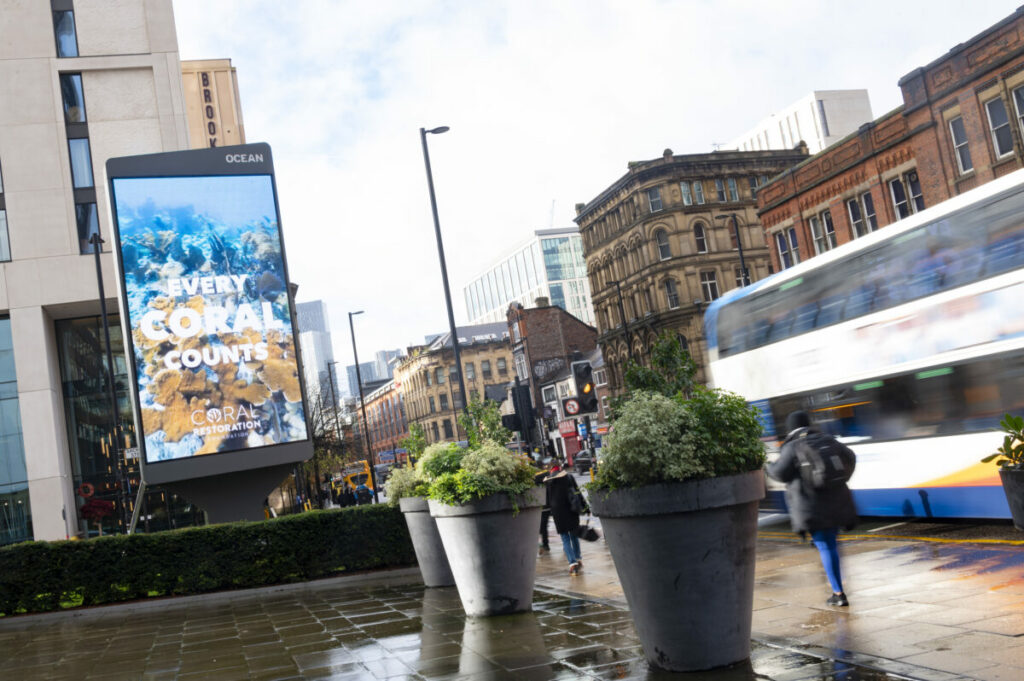
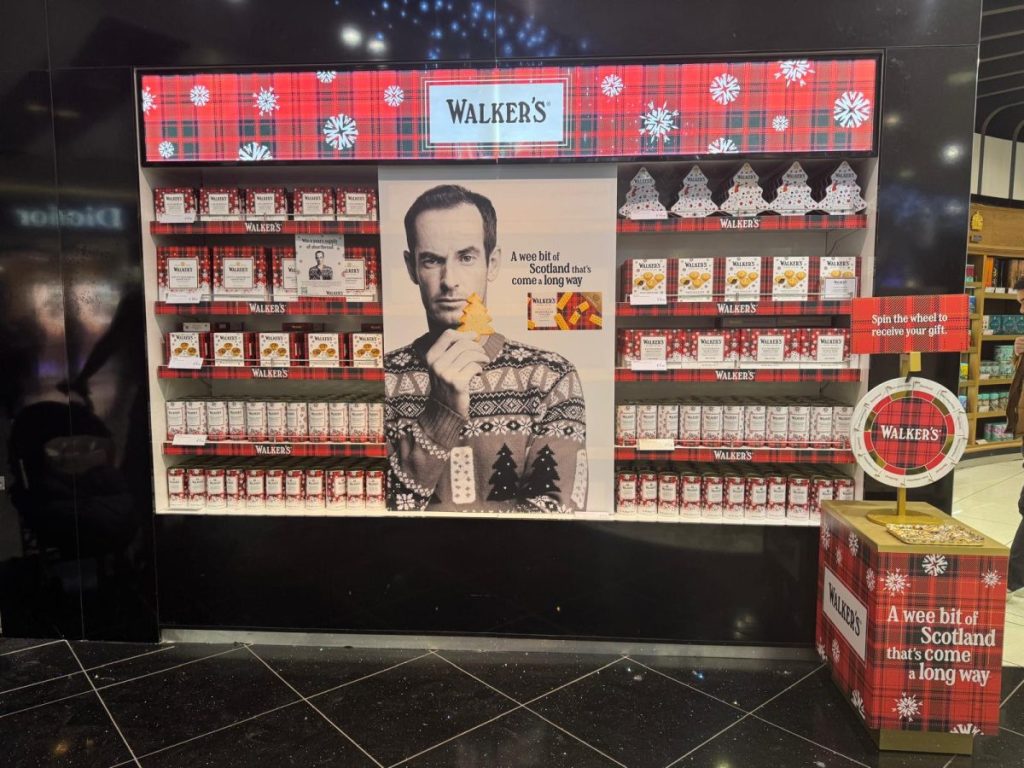
Through considerable investment in retail media over the years, the Partnership is now able to target potential customers throughout the entire customer journey, beginning with online (email) and social media offers and culminating in sampling, in-store display and digital screens.
Retail media has now evolved into a complex ecosystem within which retailers have specifically and subtly target shoppers across every stage of the process from consideration to purchase.
Subscribe to Marketing Beat for free
Sign up here to get the latest marketing news sent straight to your inbox each morning
Quality insights are of course key to optimising this ecosystem, with John Lewis leveraging partners such as Dunnhumby, Salesforce, Epsilon and JCDecaux for an optimised offering.
By utilising these insights, John Lewis was able to uncover that Waitrose customers shop an average of 27 times a year – while the average John Lewis customer heads instore just five times a year.
This, of course, makes a huge difference as to how and when a customer is targeted.
After all – how can you accurately advertise to you customers if you don’t understand what makes them tick? Further insights revealed that Waitrose customers will shop instore on average seven times per quarter, while a staggering 50% of John Lewis customers only shop there once a year, with one in ten doing so at Christmas-time.
It is this dichotomy in its customer base that makes insight so crucial for the Partnership, allowing it to adjust its retail media offering to the different needs of each customer set.
These differences are even more evident when the consideration period is taken into account – as a grocery brand, Waitrose customers will naturally have a short period, while as many as 53% of John Lewis customers take more than several weeks to make a purchase decision.
These complex insights and granular data points are what enable brands like the John Lewis Partnership to get their targeted advertising right time and time again – and if marketers want to maximise the opportunities that retail media can offer, getting to know their customer inside-out will be key.
Ultimately, retailers and brands must meet their customers where their needs are by showing them pertinent campaigns that match their shopping patterns or face wasting money on irrelevant content.