Labour warned of ‘devastating impact’ of BBC plans for podcast ads

New BBC radio stations face opposition from commercial broadcasters
BroadcastNews

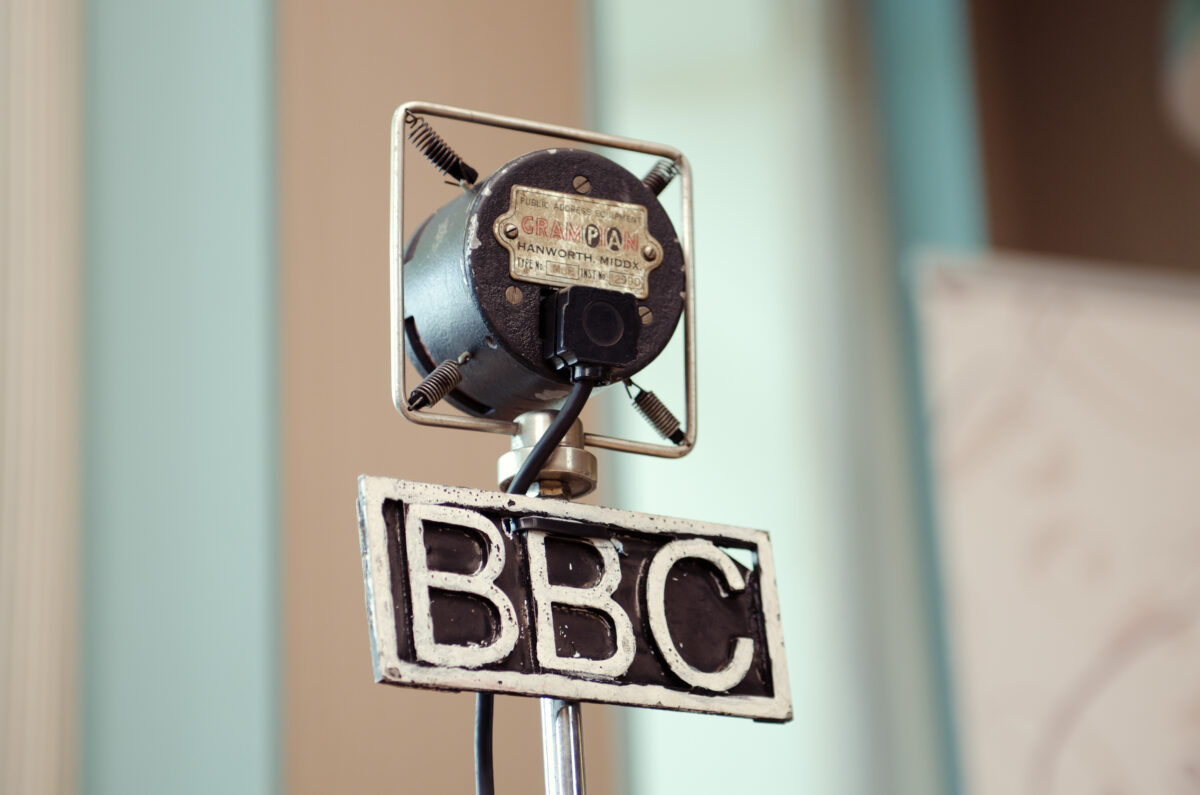
A coalition of commercial media and content business, including broadcasters, audio producers and publishers have written to the Labour Party to warn of damage to the UK’s creative industries if the BBC goes ahead with plans to introduce advertising around its audio content.

It comes after the Labour Party published its election manifesto yesterday (13 June), including points around creating growth in the creative industries.

In a letter to shadow secretary for media culture and sports Thangam Debbonnaire, the 15 signatories – including small businesses and media brands – highlighted what they described as the “devastating impact” of such a change for consumers, licence fee payers and the creative economy.

The BBC is currently funded by £3.8 billion in licence fee income. However, commercial businesses are primarily reliant on advertising funds.


Subscribe to Marketing Beat for FREE

Sign up here to get the latest marketing news sent straight to your inbox each morning


Signees include Radiocentre, Telegraph Media Group, News UK, Bauer, Global and the PPA, among others.

In March Global said it was “outraged” at the BBC’s plans, while just last month broadcasters wrote to the secretary for culture media and sport Lucy Frazer to express their concern around the move.

It comes as a wider broadcast advertising downturn has impacted the sector, leading to job cuts and reduced schedules.

“Our creative sector is a success story that provides British audiences with world-leading content and services. All of this could be put at risk if the BBC goes ahead with plans to introduce advertising, starting with audio and podcasts,” said Radiocentre CEO Matt Payton.

“Audiences understandably do not expect advertising around BBC content, which they have already paid for through the licence fee.”

“We hope that this issue will be addressed swiftly when parliament returns after the election and that Ofcom will exercise its powers to prevent the BBC from introducing such a damaging change.”


BroadcastNews
BroadcastNews

Share:

Labour warned of ‘devastating impact’ of BBC plans for podcast ads

New BBC radio stations face opposition from commercial broadcasters

Social

SUBSCRIBE TO OUR DAILY NEWSLETTER

  • This field is for validation purposes and should be left unchanged.

Most Read

A coalition of commercial media and content business, including broadcasters, audio producers and publishers have written to the Labour Party to warn of damage to the UK’s creative industries if the BBC goes ahead with plans to introduce advertising around its audio content.

It comes after the Labour Party published its election manifesto yesterday (13 June), including points around creating growth in the creative industries.

In a letter to shadow secretary for media culture and sports Thangam Debbonnaire, the 15 signatories – including small businesses and media brands – highlighted what they described as the “devastating impact” of such a change for consumers, licence fee payers and the creative economy.

The BBC is currently funded by £3.8 billion in licence fee income. However, commercial businesses are primarily reliant on advertising funds.


Subscribe to Marketing Beat for FREE

Sign up here to get the latest marketing news sent straight to your inbox each morning


Signees include Radiocentre, Telegraph Media Group, News UK, Bauer, Global and the PPA, among others.

In March Global said it was “outraged” at the BBC’s plans, while just last month broadcasters wrote to the secretary for culture media and sport Lucy Frazer to express their concern around the move.

It comes as a wider broadcast advertising downturn has impacted the sector, leading to job cuts and reduced schedules.

“Our creative sector is a success story that provides British audiences with world-leading content and services. All of this could be put at risk if the BBC goes ahead with plans to introduce advertising, starting with audio and podcasts,” said Radiocentre CEO Matt Payton.

“Audiences understandably do not expect advertising around BBC content, which they have already paid for through the licence fee.”

“We hope that this issue will be addressed swiftly when parliament returns after the election and that Ofcom will exercise its powers to prevent the BBC from introducing such a damaging change.”

BroadcastNews

RELATED STORIES

Most Read

Latest Feature

Latest Podcast

Menu