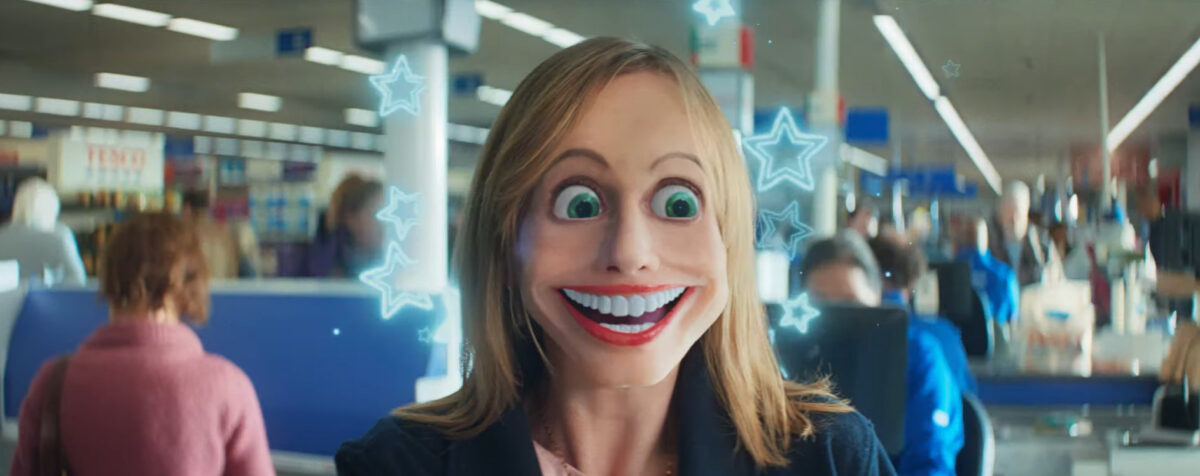
The internet is a weird and wonderful place, offering people unfettered access to all manner of niche subjects and special interests.
This also makes it the perfect advertising medium for brands, enabling them to connect with specific audiences in seemingly inexhaustible ways as they shop, search and consume.
After a while though, customers inevitably grow fatigued by the constant barrage of advertising and begin to become blind to it. So how do brands achieve better cut through in what is an immensely saturated market?
Firstly, by connecting directly with the users on a relatable, personal level. But also – by being a bit weird.

Speaking at the IAB’s Engage event earlier this week, EssenceMediacom’s chief strategy officer Geoff de Burca and head of creative strategy Lindsey Jordan extolled the virtues of embracing the internet’s weird and unique side, allowing brands to interact with customers in the very places where they choose to express themselves.
“We know emotional responses are something that make advertising work, and this is the rallying cry today for being a bit more creative,” de Burca said.
“Because so much advertising is trying so hard to do things right – to conform to category conventions to be rationally getting across the right messages, that they actually all end up looking a bit the same.
“The ads are trying so hard not to offend anyone, they end up appealing to no one.”
The power of weird

Quoting marketing effectiveness platform System1, de Burca points out that “nearly half of all ads elicit a neutral emotional response”.
This is where thinking outside the box can really help brands stand out in the crowded digital space – where many are inevitably producing similar content to each other, in fear of trying something genuinely different.
By interacting with these ‘weird’ and wonderful online communities, brands can interact with consumers in spaces where they are free to be their authentic selves – and as such may be much more receptive to brands who have made an effort to meet them on their own terms.
Subscribe to Marketing Beat for free
Sign up here to get the latest marketing campaigns sent straight to your inbox each morning
Jordan adds: “They’re playing to this middle ground, this one-size-fits-all, but as people we are not one-size-fits-all; we are messy, we are multifaceted, we are multi-hyphenated.
“So brands need to be multi-hyphenated too. They need to not offer one-size-fits-all solutions, they need to think about how they can help us embrace ourselves.”
She also highlights that 76% of the UK population belongs to a digital subculture of community – signposting them as a vital medium through which brands can not only interact with customer but also express themselves in line with their own company values.
In order to avoid the internet becoming an endless soup of similar-looking cookie cutter ads that only differentiate themselves by the category they belong to, brands must increasingly embrace the unique opportunities that the internet has to offer, and embrace the ability to meet customers on a personal level in spaces that allow both them and brands to truly express themselves.
After all, in a sea of mundanity, a brand displaying some semblance of a personality can hardly be a bad thing.
“We are multi-hyphenated people who enjoy being into different things,” Jordan reinforces.
“We build our identity by being into a multitude of things, some of them everyday, some of them weird. You only have to look at your ‘like’ history on Instagram or Tiktok to see that.”