Havas Media Network has found that ultra high net worth individuals (UHNWI’s) are almost three times more (180%) more likely to view luxury as part of a meaningful cultural experience rather than as a simple marker of wealth.
This means brands should seek to show a touch of refinement and “imagination” over sheer opulence to reach this crowd, it suggested.
The study, entitled “Memory Makers” and conducted with Evolve OOH, explored UHNWIs – the group has grown almost 30% in 7 years – across the UK, China and the Middle East. The group were primarily Gen X and Millennials and had an income of at £250,000 per year or more and at least £1 million in liquid assets.
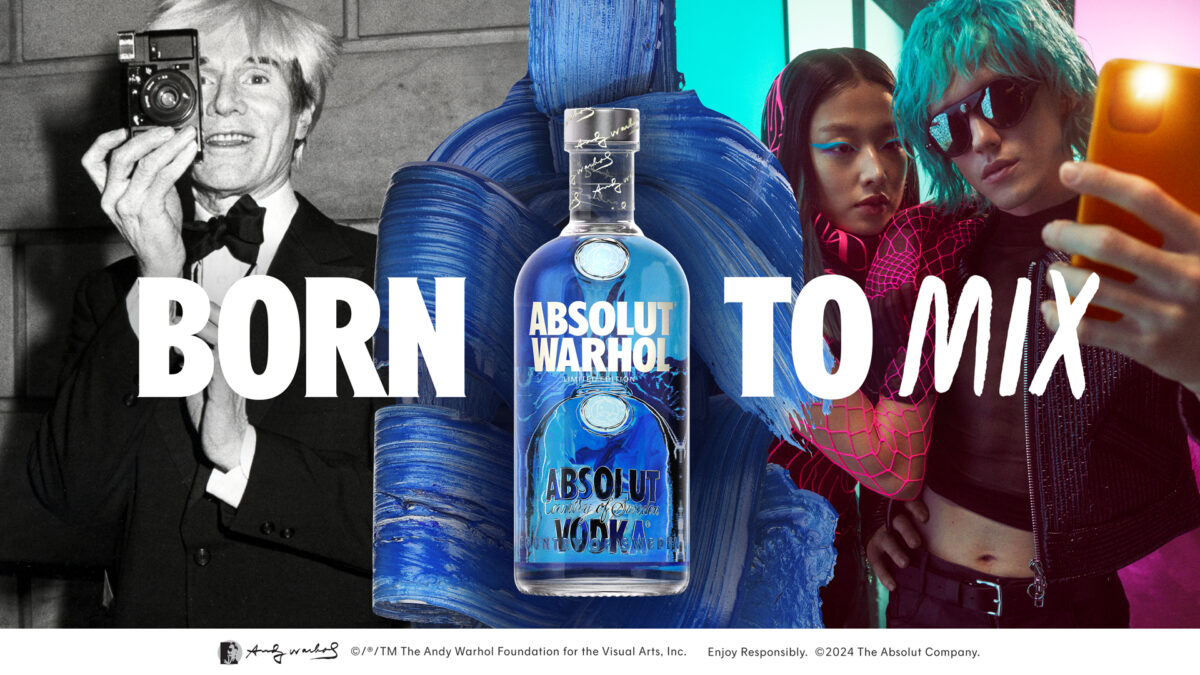
Among this group, 84% viewed luxury adverts as a form of art, and 44% were drawn to brands showcasing exceptional creativity – take Absolut drawing on its Warhol connection with stunning execution and primarily available in premium travel retail locations.
“Following emotive revenge spending post-pandemic, we’re seeing the ‘Memory Makers’ simplifying and redefining their values. The ever-changing socio-economic landscape has shifted the focus for ‘The Memory Makers’ from frequently purchasing luxury pieces towards the search for deeper meaning, fulfilment and joy,” said Havas Media strategy partner Cherry Collins.
Subscribe to Marketing Beat for free
Sign up here to get the latest marketing news sent straight to your inbox each morning
“There’s an increased need for unique and transformative experiences that allow ‘The Memory Makers’ to connect with others. The most sought-after luxury brands will be those that spark the imagination, evoke emotions, and offer a sense of wonder and discovery.”
The group have prioritised experience like travel and hospitality, with 70% having invested in these experiences over the past year, or in items such as watches which can be passed down as a different form of memory-making.
The research also found that the luxury market is bored with global celebrities and influencers, and brands wishing to reach this audience should double down on storytelling creativity and innovation.
There was some variation by region – while almost half of British UHNWIs (48%) have purchased home and interiors items, just 15% purchase something they like there and then.
By comparison, more than half of Chinese UHNWIs (85%) have purchased skincare, while Middle Eastern UHNWIs often prioritised travel and hospitality (57% having done so over the past year.
Just 40% of British UHNWIs spent more than the pandemic, compared with 52% of Chinese UHNWIs and 58% of Middle Eastern UHNWIs.
Featured image: From Absolut’s ‘Born to Mix’ campaign showing its limited edition Absolut Warhol bottle