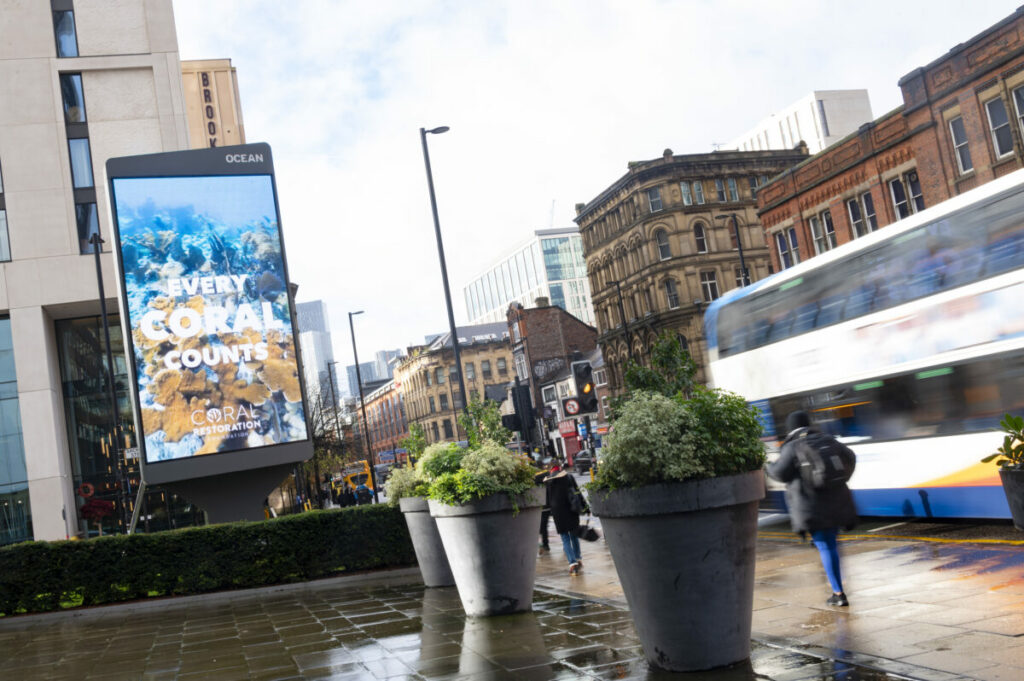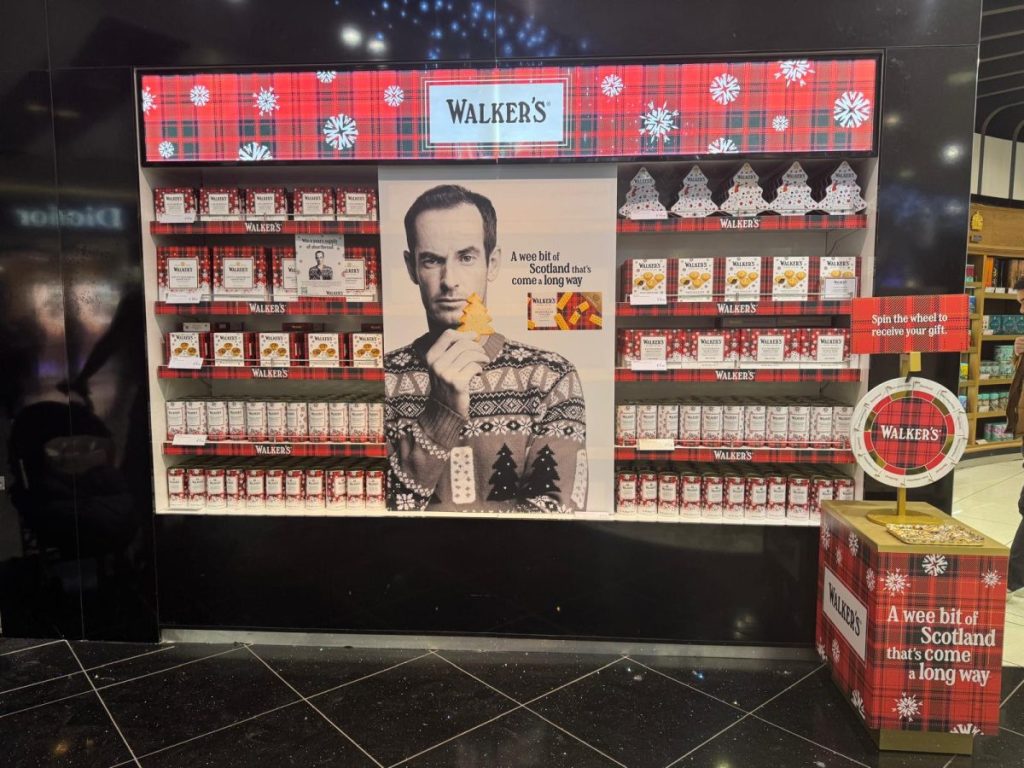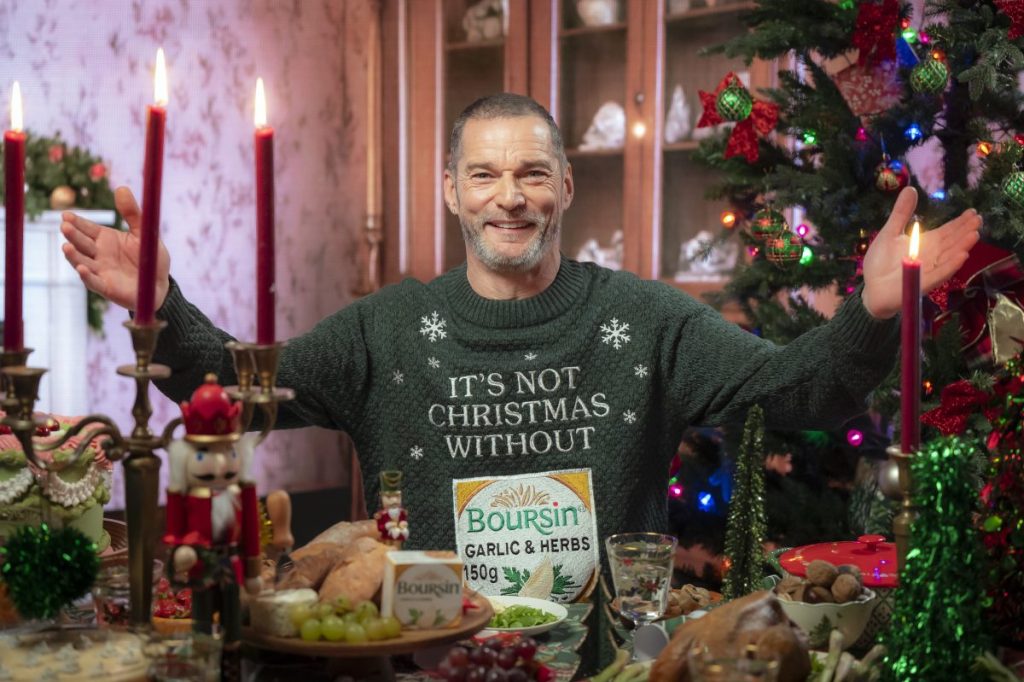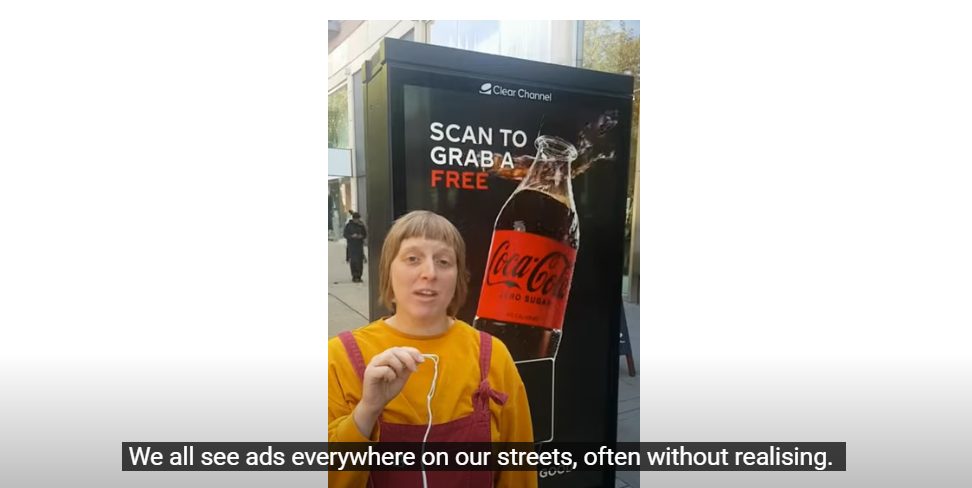
Activist group Adfree Cities is behind a new Bristol project which encourages families to take photographs and discuss the adverts they see on the way to school.
The Adspotters project prompts parents to converse about issues such as what advertising is, whether adverts are healthy, and what exactly adverts want from people with their children.
Speaking to BBC News, one of the projects leaders Charlotte Gage said the aim is to help researchers understand the types and amount of messaging children are exposed to regularly.
The project is also designed to help set up a database which brings together more information on the adverts that exist out on the streets. Adfree Cities has said it would eventually like to expand the project more widely.
Subscribe to Marketing Beat for free
Sign up here to get the latest marketing news sent straight to your inbox each morning
Junk food is one particularly fraught area when it comes to advertising directed at children. The new Labour government put forward a ban on pre-Watershed junk food adverts being shown on television set to take place from October 2025. It will see a complete ban on online advertising for foods high in fat salt or sugar.
However, concerns remain about junk food billboards, with councils including Luton, Tower Hamlets, Knowsley and more banning them in their locality. Adfree Cities celebrated the government’s decision to ban TV junk food adverts before the Watershed but urged Labour not to forget the billboards.
Jamie Oliver fronted campaign group Bite Back found that advertising for 80% of unhealthy high in fat, salt and sugar (HFSS) products used techniques that are appealing to children such as colourful packaging and cartoon like mascots.
Gambling adverts have also come under fire. Earlier this year a GambleAware study revealed that children are frequently bombarded with gambling related adverts and imagery, including cartoon like images.