It’s a strange truth that the advertising industry routinely pits comedic and purpose-driven adverts against each other as though they are opposite entities.
While some argue that humorous ads offer a fun way of being serious without getting too bogged down, others balk at the idea of potentially offending someone when discussing sensitive or controversial subjects.
But, in doing so, are they missing a trick? Humour itself is a powerful weapon when deployed effectively and being funny as a deliberate strategy to take the sting out of serious subjects can be particularly effective.
Of course, the best in the business know that comedy’s light-hearted nature has the power to humanise serious issues, to be less preachy, and therefore come across more authentically.
At a recent event in Soho celebrating comedy in advertising, Leith Agency’s health partner Brian Coane spoke with comedy director Amanda Baker about why advertisers get so scared of being funny about certain topics, particularly when it pertains to diversity.
Advertisers who are worried about potentially offending people by taking a light-hearted and humourous approach to a serious subject, Baker said, should look a little closer to home – the reluctance to take a risk ultimately says more about the advertisers’ own prejudice.
Coane added that if agencies want to convince advertisers to take a more comedic approach they need to convince clients that humour drives trust. More importantly, the starting point is convincing your client that you know what their audience is into.
“You need to speak to the customer, it needs to be something the customer will find funny, not we as an agency,” he explains.
From breaking taboos to switching up category norms, here are some of the best ways comedy has been used to drive home a serious subject.
Scottish government ‘Breast Cancer Awareness’
Coane has worked on a number of vital health campaigns in his time – including a famous breast cancer campaign produced for the Scottish government.
The advert centred around people including actress Elaine C Smith holding up different images of breasts highlighting key signs and symptoms, with the voiceover using a tongue-in-cheek tone to get across a serious message.
Despite concerns around getting it past the regulator, the advert ended up achieving huge success, with the number of women in Scotland getting checked out increasing by 50%.
“If its for a good reason, you should be able to put boobs on TV,” Coane says.
Asics ‘The Desk Break’
Sports brand Asics recently used its platform to make a point about mental health at work. A severe Brian Cox dressed in a shirt, blazer, tie, shorts and trainers says “I’m not the scariest thing at work – this is,” while pointing at a desk.
The message encouraged people to take a break and move around.
“People understand that brands are trying to sell things, but from that point of view if there’s an appropriate fit and it feels like a good thing to talk about brands shouldn’t hesitate to go for it. In the case of Asics and the message that exercise is good for you – that’s a justifiable connection,” Coane says.
But brands need to know their place. A trainer brand should never try to take the tone of a mental health charity.
Coane adds that the bold, funny use of the well-known actor was crucial: “If you can imagine that done in quite an earnest way it wouldn’t have worked.”
Bodyform ‘Never Just a Period’
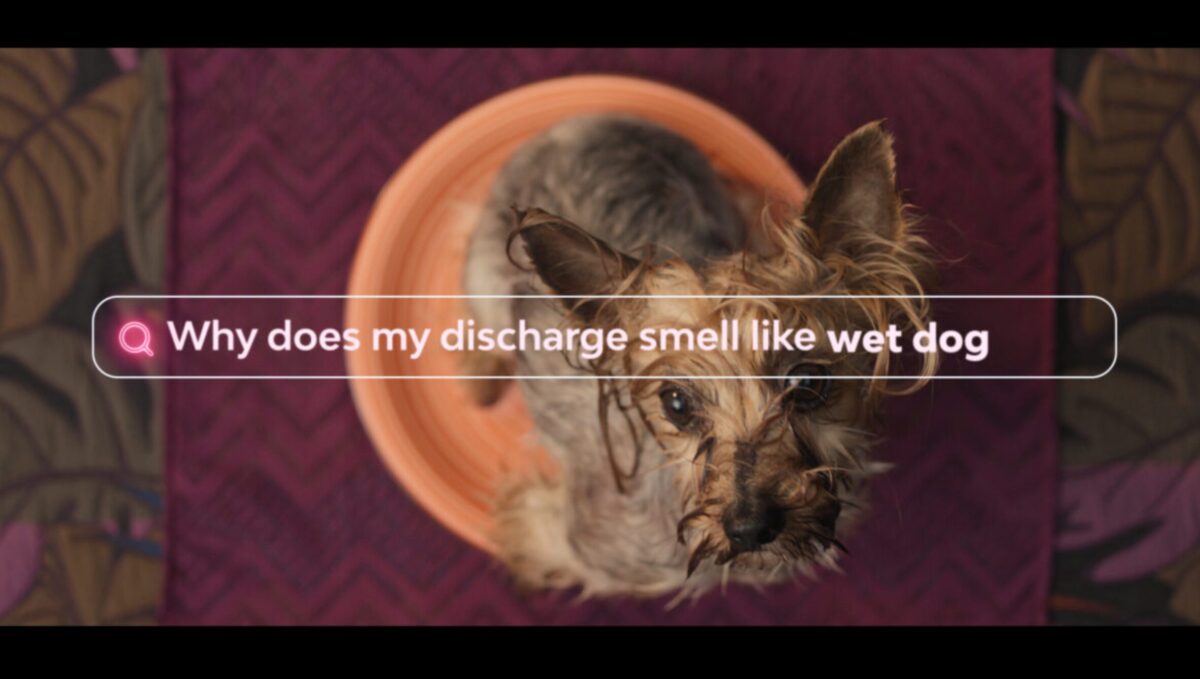
Bodyform’s recent advert created by AMV BBDO features a Greek Goddess inspired orchestra, felted ovaries, dramatic art and aggressive tampons. And no-one mention the jelly.
But the comedic hyperbole is all with the aim of answering a very serious question: why do girls still think they’re dying when they get their period?
Coane highlights that the advert’s winning formula is its ability to stand out from the category, which typically sees all brands following a fairly similar messaging style.
Subscribe to Marketing Beat for free
Sign up here to get the latest marketing news sent straight to your inbox each morning
Nationwide ‘A.N.Y Bank’
The recent Nationwide adverts starring Dominic West as an evil bank director have been complained about by rival banks, a sure sign that they’ve riled the right feathers.
Working with New Commercial Arts to poke fun at its own status as the less malicious bank, while also highlighting its endeavours to keep branches open and the perks of being a building society help separate the brand from its fellow players – despite banks being an ostensibly dry topic.
“My favourite area for humour is clever wit – things like financial services poking fun at their category,” Coane says.
Specsavers ‘Misheard Manifesto’
An audiology advert is a difficult one to get right – hearing loss still gets plenty of stigma and hearing aids don’t have the acceptance they should.
Typically known for taking a slapstick approach to its glasses advertising, Specsavers stuck with humour here as well, enlisting Gyles Brandreth to highlight how hearing loss can lead to misheard and funny phrases to the quaint backdrop of classical music and a country house.
Mishearing sayings such as “nip in the bud” as “nip in the butt”, the advert gently pokes fun at the situation with some neat wordplay.
Henrietta the Hen
Animal rights campaigns have a reputation for being serious and gory, but the British Hen Welfare Trust took a funny, light-hearted approach to the theme.
Its recent milestone campaign with Happy Yolk agency, ‘The One Millionth Hen’ regally celebrated the rehousing of Henrietta the Hen at Highgrove, using the uplifting moment to highlight its work supporting ex-commercial laying hens.
Paralympics TikTok
The official Paralympics TikTok provoked controversy after it took a humorous approach with a series of viral videos showing Paralympics facing mishaps.
When questioned by BBC Newsbeat the Paralympic Committee confirmed that the account was in fact run by a Paralympian, who was attempting to create a following through the unique content.
Whatever you feel about it, it has certainly generated conversation.
@paralympics
Para Triathlon is swim, bike and air piano. ????
♬ original sound – paralympics
“Comedy in general has always challenged norms,” Coane says. “We can use it to point out the ridiculousness of a situation. We shouldn’t be afraid of using humour.”