‘A brilliant excuse to be a bit different’: Why advertisers couldn’t afford to miss out on this year’s Olympics

Creatives explain to MB why advertisers really shouldn't miss out on the Olympics and how it's the perfect opportunity to break the creative mould.
FeaturesNewsOpinionThis Week in Marketing

Three years on from the Covid-ravaged Tokyo Olympics and, with Olympic fever currently gripping the nation, Paris 2024 has brought the Games back with a monumental bang.

What was lacking in atmosphere and drama in Japan has been repaid tenfold over the last week and a half, with even the opening ceremony proving to be an immense bone of contention.

From the concerns about the Seine’s pollution and debates about the eligibility of certain female boxers, these games have dominated the global headlines this summer – despite the US presidential election entering full swing and nationwide civil unrest and race riots rolling across the UK.

This all means that, for brands, the Olympics is as important a global platform as ever.

Due its truly international profile, the event offers advertisers an unparalleled opportunity to amplify their brands by association.

After all, besides the FIFA World Cup, what other events enjoy a global TV audience in the several billions?

This year’s guiding themes

The renewed attention and excitement around the games in the post-Covid era has certainly broadened the creative spectrum this time around, with a much more engaged audience hungry for a back-to-normal Olympiad.

Ranging from Nike’s obsession with winning to Coca-Cola’s predictable message of unity, there has also been a stronger push for diversity and inclusion than there has ever been before, spearheaded by the opening ceremony and reflecting current societal trends.

Whilst it may not have been everyone’s cup of tea to put it mildly, what the opening ceremony does signal is that the Olympics’ inclusive values have well and truly come to the fore.

“A key trend we’ve seen this summer is a shift of focus away from achievement towards the attitude the Olympics represents. It’s not all about appealing to everyone, but appealing to an audience who resonate with athletes’ attitude,” NewGen strategy director, Mark Bellamy explains.

“These campaigns capture a more human side to the games by focusing on unexpected, more authentic personality traits within athletes that an audience can see themselves in.”

For Creature London’s head of consulting, Josh Dickins however – the uniformity of these values can at times mean that Olympics ad campaign have something of a faceless identity.

“Olympic advertising broadly falls into two categories: those who advertise because they feel they should, and those who have something to say. The ‘feel they should’ group can be depressingly familiar. The same stories, applied to what could be a generic sporting event, with an added logo.

“‘Achievement over the odds’, brought to you by a Japanese car manufacturer; ‘Inspirational stories’ with the help of a multinational Korean technology business; ‘Get behind Team GB’, courtesy of a German supermarket chain.

He continues: “The best Olympic advertising tends to do something different: rather than blandly aligning a brand with the Games.

Can advertisers afford to ignore the Games?

It isn’t hard to see why the Olympics are so important for advertisers, and as a results, why so many have produced campaigns which capitalise on them.

With only the football world cup coming anywhere near it in terms of viewership or general interest, for many brands the Olympics is an opportunity that cannot be passed up.

But, as Dickins laments, a lot of it does seem to be awfully copy and paste when the sheer diversity of sports and athletes on display across the games gives brands the very rare chance to do something radically different.

As FCB London creative director, Ben Perez Usher points out: “The World Cup football audience is younger and typically skews male, whereas the Olympics has a wider age range and a more balanced gender split.

“Creatively, this gives you more avenues to reach people, from featuring more niche sports to spotlighting human stories that have never been seen before.”

These thoughts are largely echoed by Dickins, who singles out the Olympics as a “brilliant excuse to be a bit different” adding that it gives brands the chance to “say the unexpected, take the license to try different messaging and flex some creative muscles that can only be exercised outside of brand guidelines and messaging matrices.”

Placing the Olympics even above the football world cup for brand building, he continues: “It’s also what makes it a more exciting proposition, creatively and strategically, than the World Cup.

“The world has a rich diet of football all year round – with the Olympics, there’s a rare chance for new advertising stars to emerge.”

Outstanding work 

As with every Olympics there have been a fair few blockbuster campaigns, and while many of them might enjoy significant airtime and cut through, not all of them will last long in the memory.

That’s something that probably can’t be said Nike’s summer opus in which it celebrates the so-called ‘darker side’ of winning in its magnetic ‘Winning isn’t for Everyone’ spot.

Featuring star Olympians such as LeBron James and Sha’Carri Richardson and narrated by Willem Defoe the piece has well and truly made waves among creatives for its radical new take on the event.

“I love that it focuses on the less likeable elements of athlete’s drive and ambition. Nike have realised that it’s become unfashionable to talk about the uglier side of winning, and that gives them an opportunity to get greater share of voice by being distinctive vs the mainstream cliches being peddled by 90% of brands,” Bellamy says.

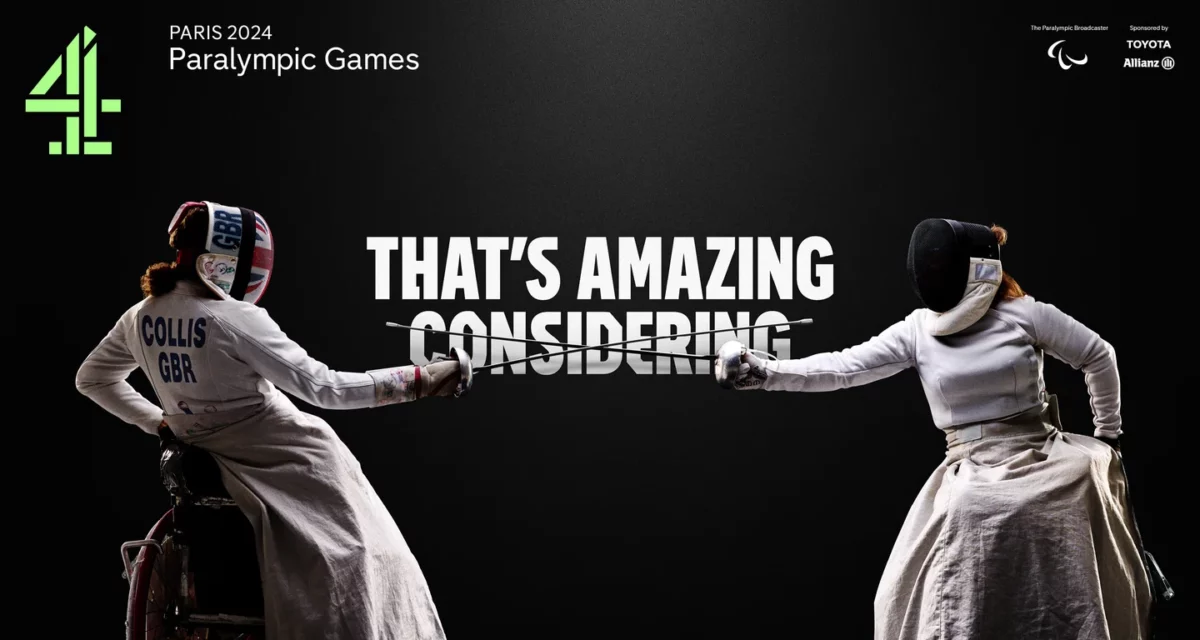
This gritty, almost confrontational spot mirrors in some ways Channel 4’s equally provocative Paralympics film which aims to do away with the tired stereotypes that seem to get trotted out every four years.

‘That’s amazing, considering’ has already turned a lot of heads in the creative sphere and is set to come even more to the fore as the Paralympics kicks off on 28 August.

On the campaign, Dickins comments: “Channel 4’s Paralympic campaign has been typically excellent – using their long-standing partnership with the Paralympics to continue to challenge assumptions and stereotypes around disability.

“A brand with a very clear point of view, taking the moment to underline it and evolve it.”

These two campaigns encapsulate exactly why advertisers get involved with the event, which provides a unique opportunity for them to break the creative mould and do something a little bit different – making the Olympics a truly gold standard advertising opportunity.


FeaturesNewsOpinionThis Week in Marketing

‘A brilliant excuse to be a bit different’: Why advertisers couldn’t afford to miss out on this year’s Olympics

Creatives explain to MB why advertisers really shouldn't miss out on the Olympics and how it's the perfect opportunity to break the creative mould.

Social

SUBSCRIBE TO OUR DAILY NEWSLETTER

  • This field is for validation purposes and should be left unchanged.

Most Read

Three years on from the Covid-ravaged Tokyo Olympics and, with Olympic fever currently gripping the nation, Paris 2024 has brought the Games back with a monumental bang.

What was lacking in atmosphere and drama in Japan has been repaid tenfold over the last week and a half, with even the opening ceremony proving to be an immense bone of contention.

From the concerns about the Seine’s pollution and debates about the eligibility of certain female boxers, these games have dominated the global headlines this summer – despite the US presidential election entering full swing and nationwide civil unrest and race riots rolling across the UK.

This all means that, for brands, the Olympics is as important a global platform as ever.

Due its truly international profile, the event offers advertisers an unparalleled opportunity to amplify their brands by association.

After all, besides the FIFA World Cup, what other events enjoy a global TV audience in the several billions?

This year’s guiding themes

The renewed attention and excitement around the games in the post-Covid era has certainly broadened the creative spectrum this time around, with a much more engaged audience hungry for a back-to-normal Olympiad.

Ranging from Nike’s obsession with winning to Coca-Cola’s predictable message of unity, there has also been a stronger push for diversity and inclusion than there has ever been before, spearheaded by the opening ceremony and reflecting current societal trends.

Whilst it may not have been everyone’s cup of tea to put it mildly, what the opening ceremony does signal is that the Olympics’ inclusive values have well and truly come to the fore.

“A key trend we’ve seen this summer is a shift of focus away from achievement towards the attitude the Olympics represents. It’s not all about appealing to everyone, but appealing to an audience who resonate with athletes’ attitude,” NewGen strategy director, Mark Bellamy explains.

“These campaigns capture a more human side to the games by focusing on unexpected, more authentic personality traits within athletes that an audience can see themselves in.”

For Creature London’s head of consulting, Josh Dickins however – the uniformity of these values can at times mean that Olympics ad campaign have something of a faceless identity.

“Olympic advertising broadly falls into two categories: those who advertise because they feel they should, and those who have something to say. The ‘feel they should’ group can be depressingly familiar. The same stories, applied to what could be a generic sporting event, with an added logo.

“‘Achievement over the odds’, brought to you by a Japanese car manufacturer; ‘Inspirational stories’ with the help of a multinational Korean technology business; ‘Get behind Team GB’, courtesy of a German supermarket chain.

He continues: “The best Olympic advertising tends to do something different: rather than blandly aligning a brand with the Games.

Can advertisers afford to ignore the Games?

It isn’t hard to see why the Olympics are so important for advertisers, and as a results, why so many have produced campaigns which capitalise on them.

With only the football world cup coming anywhere near it in terms of viewership or general interest, for many brands the Olympics is an opportunity that cannot be passed up.

But, as Dickins laments, a lot of it does seem to be awfully copy and paste when the sheer diversity of sports and athletes on display across the games gives brands the very rare chance to do something radically different.

As FCB London creative director, Ben Perez Usher points out: “The World Cup football audience is younger and typically skews male, whereas the Olympics has a wider age range and a more balanced gender split.

“Creatively, this gives you more avenues to reach people, from featuring more niche sports to spotlighting human stories that have never been seen before.”

These thoughts are largely echoed by Dickins, who singles out the Olympics as a “brilliant excuse to be a bit different” adding that it gives brands the chance to “say the unexpected, take the license to try different messaging and flex some creative muscles that can only be exercised outside of brand guidelines and messaging matrices.”

Placing the Olympics even above the football world cup for brand building, he continues: “It’s also what makes it a more exciting proposition, creatively and strategically, than the World Cup.

“The world has a rich diet of football all year round – with the Olympics, there’s a rare chance for new advertising stars to emerge.”

Outstanding work 

As with every Olympics there have been a fair few blockbuster campaigns, and while many of them might enjoy significant airtime and cut through, not all of them will last long in the memory.

That’s something that probably can’t be said Nike’s summer opus in which it celebrates the so-called ‘darker side’ of winning in its magnetic ‘Winning isn’t for Everyone’ spot.

Featuring star Olympians such as LeBron James and Sha’Carri Richardson and narrated by Willem Defoe the piece has well and truly made waves among creatives for its radical new take on the event.

“I love that it focuses on the less likeable elements of athlete’s drive and ambition. Nike have realised that it’s become unfashionable to talk about the uglier side of winning, and that gives them an opportunity to get greater share of voice by being distinctive vs the mainstream cliches being peddled by 90% of brands,” Bellamy says.

This gritty, almost confrontational spot mirrors in some ways Channel 4’s equally provocative Paralympics film which aims to do away with the tired stereotypes that seem to get trotted out every four years.

‘That’s amazing, considering’ has already turned a lot of heads in the creative sphere and is set to come even more to the fore as the Paralympics kicks off on 28 August.

On the campaign, Dickins comments: “Channel 4’s Paralympic campaign has been typically excellent – using their long-standing partnership with the Paralympics to continue to challenge assumptions and stereotypes around disability.

“A brand with a very clear point of view, taking the moment to underline it and evolve it.”

These two campaigns encapsulate exactly why advertisers get involved with the event, which provides a unique opportunity for them to break the creative mould and do something a little bit different – making the Olympics a truly gold standard advertising opportunity.

FeaturesNewsOpinionThis Week in Marketing

RELATED STORIES

Most Read

Latest Feature

Latest Podcast

Menu

Marketing Beat has stopped reporting.

For retail Marketing insight please visit RG.

Retail Gazette