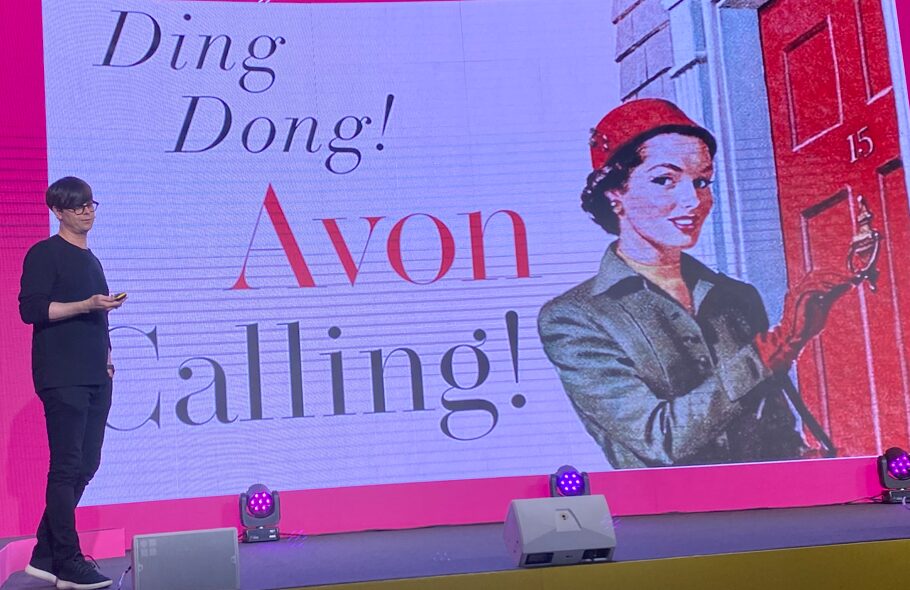
Think of Avon and you think of a residential street alive with the earworm ‘Ding Dong, Avon Calling’. At the door is a neatly clad, smiling and well made up lady, the epitome of classic beauty.
However, speaking at MAD//Fest, chief executive officer Kristof Neirynck was quick to highlight that after 137 years the brand has lost its omnichannel virginity and broken the direct-to-consumer stereotype. Now online and across retail, the Avon lady (or indeed gentleman) has got with the times and embraced digital and experience-led marketing.
He said the move came when the team found that the top reason people were not buying Avon was because they “didn’t necessarily like the representative model and wanted to try items in store before buying”.
Having formerly worked elsewhere in the beauty world, on arrival at Avon Neirynck noted that there was a hesitancy to break from its traditional model.
“There was a real fear of cannibalisation,” Neirynck said, discussing Avon’s decision to hit Superdrug stores and stand alongside beauty’s big brands.
However, Neirynck led a stop to this when he looked at the data around how representatives were doing within a five mile radius of stores selling the beauty brand. The research found that those representatives sold 80% more than representatives who lived further away.
And successful he has been. In the UK, Avon has also gone as far as opening its own branded stores now.
Subscribe to Marketing Beat for free
Sign up here to get the latest marketing campaigns sent straight to your inbox each morning
‘Avon was an influencer 137 years ago’
Neirynck explained that traditionally representatives were not keen on sharing their data for fear that Avon would cut them and go straight to the customers.
To manage this Neirynck highlighted that it was crucial to create a win-win situation – whereby representatives and the brand both gained.
What Avon ended up creating is an online dashboard, with data set out in a way that both serves the brand but also enables representatives to draw on that data to help them sell their products.
“We can say to a representative if you try to sell this lipstick, they’ll probably like it, and the chances of us selling that lipstick is very high,” Neirynck said.
“In this case representatives can see the benefit of giving their data because it enables them to sell”.
Moreover, he highlighted that it neatly taps into the Avon legacy: “Avon was an influencer brand 137 years ago”.
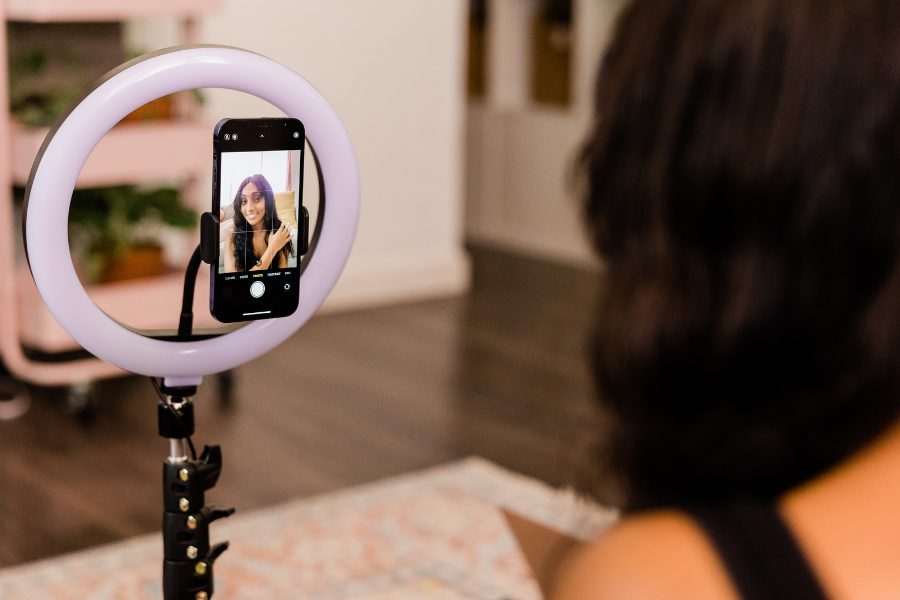
Neirynck added that bringing the seller model online has allowed for an intelligent localisation and community building, via representatives leading live streamed shopping events.
For example in the Philippines there is a niche market for Avon underwear garments. This has allowed for representatives to take to TikTok and become influencers for the products their community is interested in.
The customer always comes first
Highlighting his previous experience as a CMO – he began as a CMO at Avon, and whilst at Walgreens Boots Alliance was CMO of global brands – Neirynck added that he is “a marketer at heart” even though his current patch is “very different”.
Speaking about his transition to the role, Neirynck said that for those looking to move from a CMO role to a CEO role it is crucial to keep abreast of other parts of the business, and numbers in particular.
“If you’re only spending time with your marketing team and not talking to the CFO or the finance team or the operations guys, you’re going to encounter problems.”
What is special about Avon for Neirynck is the need for a little more leniency than typical around guidelines.
“We have five million representatives around the world and they might not all put the logo in the right place but that is life.”
He added: “But we’ve really been able to make a significant change in better consistency by thinking through what the markets really want and then providing them with a framework that still allows for some freedom”.
But still, for Neirynck the crucial thread running through his approach at Avon is the fact he’s been a marketer as his remit has always involved “putting the customer at the centre”.
“I think you need to be the ambassador of the consumer in the boardroom. That’s where you can truly deliver a step change.”