ASA clamps down on vape firms for affiliate marketing schemes

The ASA has banned a number of vape adverts for using affiliate links to promote unlicensed nicotine-containing e-cigarettes.
News

The ASA (Advertising Standards Authority) has banned a number of vape adverts for indirectly promoting unlicensed nicotine-containing e-cigarettes and their components via affiliate links.

Firms which came under fire were Apollo Future Technology, JAC Vapour and Juicemate, which each breached three separate advertising codes on social responsibility, legality and the marketing of electronic cigarettes.

All three of the vaping businesses encouraged affiliates with perks and money off offers. Apollo Future Technology offered “your own unique URL” as well as free banner ads and text links, while Pixus offered a 20% commission on all products sold, and JAC offered users a 10% discount code on their first order.

The ASA found that the websites breached legislation outlined within the Tobacco and Related Products Regulations 2016 which bans the promotion of unlicensed nicotine products in online media, unless targeted exclusively at the trade.

The legislation set out that firms must ensure their marketing communications do not have the direct or indirect effect of promoting nicotine-containing e-cigarettes and their components. It also called on firms to  ensure they did not incite others to break the law in any way.
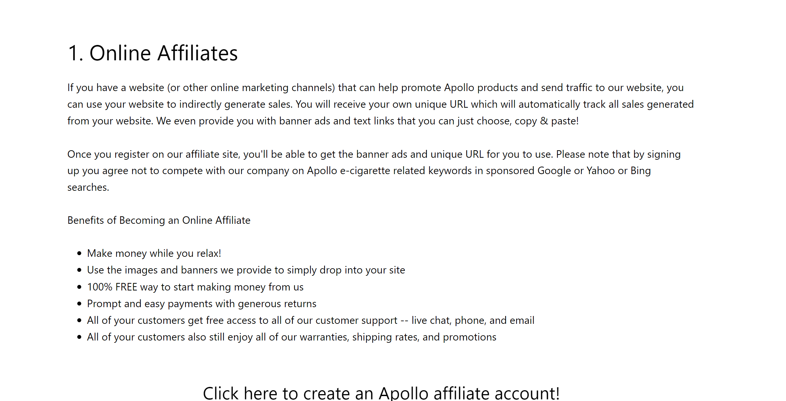
A snapshot from Apollo Future Technology’s account Courtesy: ASA

Subscribe to Marketing Beat for free

Sign up here to get the latest advertising news sent straight to your inbox each morning


The move comes after previous rulings from the regulator which has in the past found Facebook, Discord, Instagram and TikTok accounts in breach of the rules on promoting nicotine-containing e-cigarettes.
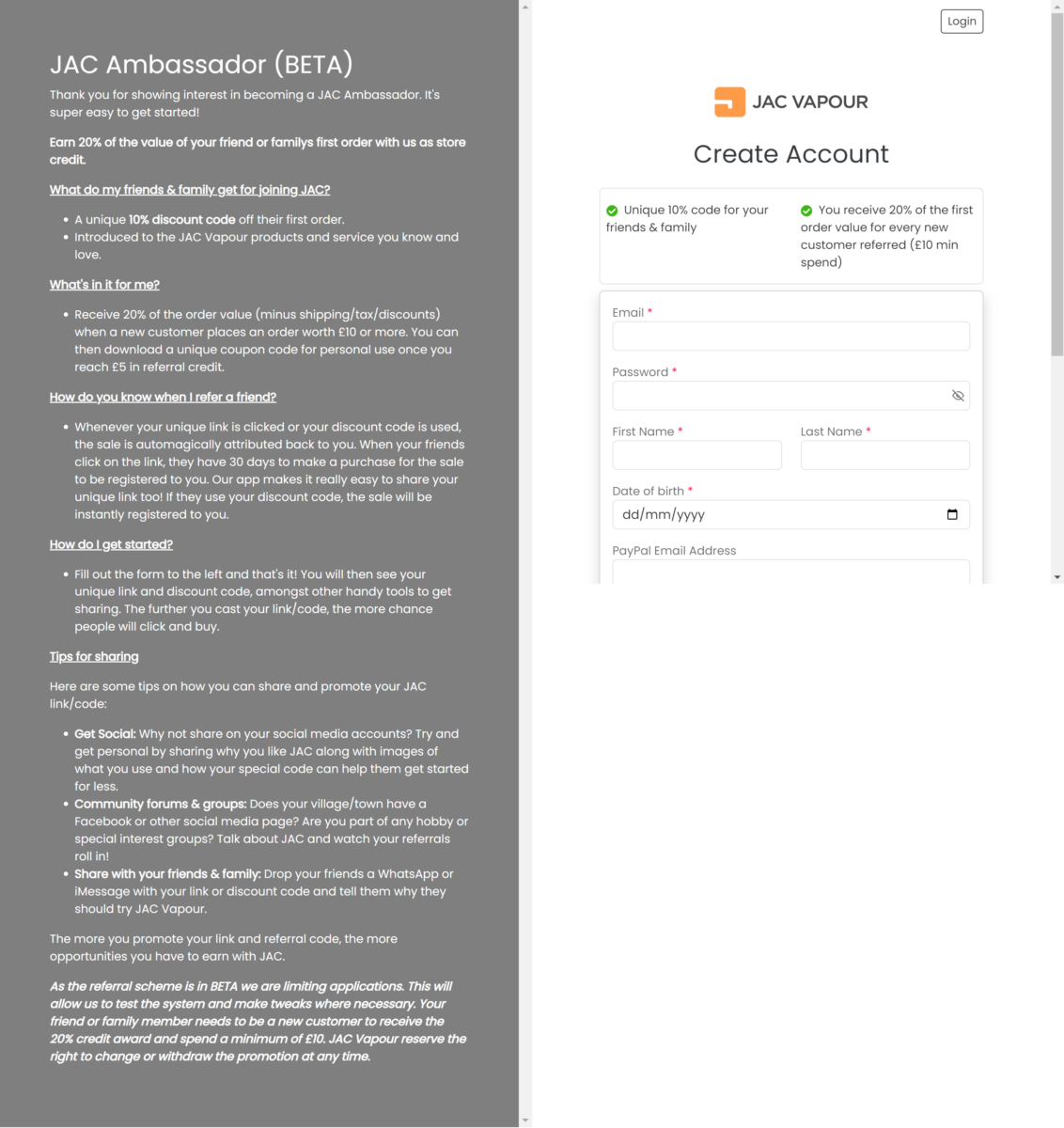
An affiliate sign up store from JAC Vapour’s website. Courtesy: ASA.

In a statement shared with Marketing Beat, an ASA spokesperson reiterated that ads for nicotine-containing vapes not licensed as medicines are not allowed on TV, newspapers or most online media “including social media”.

“Where they are allowed, they have to be responsible. That includes not being targeted at or likely to appeal particularly to under-18s,” the spokesperson continued.

“Our series of rulings published today found the affiliate programmes had the indirect effect of promoting e-cigarettes, which were not licensed as medicines in non-permitted media, and irresponsibly incited people to break the law.”

The spokesperson also added that it forms part of the ASA’s “cross-organisational response to ensure that vaping ads only appear where they can be legally advertised and are responsible”.

The regulator said it has previously sent enforcement notices to vaping retailers calling on them to stop any problematic ads, and is building on this by using its new AI-based Active Monitoring system.

Vaping has come under national scrutiny as part of efforts to improve the nations health, with chief medical officer Professor Chris Whitty re-iterating in April that vape advertising aimed at children is “completely unethical”.

He added that a way of making vapes available to smokers to help them quit is needed, but highlighted that while vaping is safer than cigarettes, that is “a low bar”.

Juice Mate’s affiliate programme promoted on its website. Courtesy: ASA
News
News

Share:

ASA clamps down on vape firms for affiliate marketing schemes

The ASA has banned a number of vape adverts for using affiliate links to promote unlicensed nicotine-containing e-cigarettes.

Social

SUBSCRIBE TO OUR DAILY NEWSLETTER

  • This field is for validation purposes and should be left unchanged.

Most Read

The ASA (Advertising Standards Authority) has banned a number of vape adverts for indirectly promoting unlicensed nicotine-containing e-cigarettes and their components via affiliate links.

Firms which came under fire were Apollo Future Technology, JAC Vapour and Juicemate, which each breached three separate advertising codes on social responsibility, legality and the marketing of electronic cigarettes.

All three of the vaping businesses encouraged affiliates with perks and money off offers. Apollo Future Technology offered “your own unique URL” as well as free banner ads and text links, while Pixus offered a 20% commission on all products sold, and JAC offered users a 10% discount code on their first order.

The ASA found that the websites breached legislation outlined within the Tobacco and Related Products Regulations 2016 which bans the promotion of unlicensed nicotine products in online media, unless targeted exclusively at the trade.

The legislation set out that firms must ensure their marketing communications do not have the direct or indirect effect of promoting nicotine-containing e-cigarettes and their components. It also called on firms to  ensure they did not incite others to break the law in any way.

A snapshot from Apollo Future Technology’s account Courtesy: ASA

Subscribe to Marketing Beat for free

Sign up here to get the latest advertising news sent straight to your inbox each morning


The move comes after previous rulings from the regulator which has in the past found Facebook, Discord, Instagram and TikTok accounts in breach of the rules on promoting nicotine-containing e-cigarettes.

An affiliate sign up store from JAC Vapour’s website. Courtesy: ASA.

In a statement shared with Marketing Beat, an ASA spokesperson reiterated that ads for nicotine-containing vapes not licensed as medicines are not allowed on TV, newspapers or most online media “including social media”.

“Where they are allowed, they have to be responsible. That includes not being targeted at or likely to appeal particularly to under-18s,” the spokesperson continued.

“Our series of rulings published today found the affiliate programmes had the indirect effect of promoting e-cigarettes, which were not licensed as medicines in non-permitted media, and irresponsibly incited people to break the law.”

The spokesperson also added that it forms part of the ASA’s “cross-organisational response to ensure that vaping ads only appear where they can be legally advertised and are responsible”.

The regulator said it has previously sent enforcement notices to vaping retailers calling on them to stop any problematic ads, and is building on this by using its new AI-based Active Monitoring system.

Vaping has come under national scrutiny as part of efforts to improve the nations health, with chief medical officer Professor Chris Whitty re-iterating in April that vape advertising aimed at children is “completely unethical”.

He added that a way of making vapes available to smokers to help them quit is needed, but highlighted that while vaping is safer than cigarettes, that is “a low bar”.

Juice Mate’s affiliate programme promoted on its website. Courtesy: ASA
News

RELATED STORIES

Most Read

Latest Feature

Latest Podcast

Menu

Marketing Beat has stopped reporting.

For retail Marketing insight please visit RG.

Retail Gazette