McDonald’s is harnessing the power of 90s nostalgia to highlight the consistent quality of its food sourcing over the past 20 years with a series of tongue-in-cheek ads.
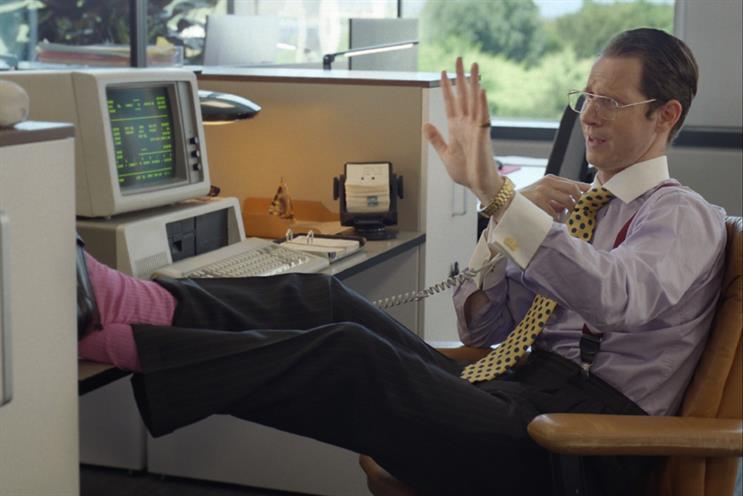
Developed by international agency Leo Burnett, the ads will lampoon iconic aspects of 90s culture, from landlines and faxes to pagers and roller discos – asking the naysayers to ‘Get with it’ and realise that McDonald’s has been sourcing quality ingredients for decades.
A teletext-inspired ad will also be launched, interrupting ad breaks across major networks during peak programming, reading “We’ve been using 100% British and Irish beef since you were booking your holidays on here.”
“McDonald’s has evolved a lot of the years, but not everyone has kept up with those changes. Our research showed that some people were still holding onto opinions of the brand that they’d formed 30 odd years ago,” McDonald’s UK & Ireland head of marketing – brand affinity, trust & family, Hannah Pain said.
Subscribe to Marketing Beat for free
Sign up here to get the latest marketing news sent straight to your inbox each morning
“’Keep Up With The Times’ is a fun and impactful campaign that uses nostalgia to talk to the nation about our long-standing commitments to food quality, channelling cultural references from the 90s to illustrate how long McDonald’s has used quality sourced ingredients.”
A series of retro-inspired activations will accompany the campaign to provide an authentic feel, with ‘old school’ digital banners running online, 90s-themed out-of-home posters and pop culture-inspired radio and social activity.
The restaurant has also partnered with The Times to showcase old stories and front pages from previous issues of the paper. Retro trayliners and menu screen trakeovers will also be launched in-restaurant.
Leo Burnett UK executive creative director, Mark Elwood added: “McDonald’s are constantly making changes to the way they source their food. Some customers are still stuck in the past in their views of McDonald’s. This campaign aims to change that by using humour and nostalgia as the Trojan horse to hopefully help them change their minds.”