Opinion: Why Harry and Meghan’s Netflix special is a storm in a PR teacup

Harry Meghan Netflix
BroadcastFeaturesMarketing StrategyOpinion

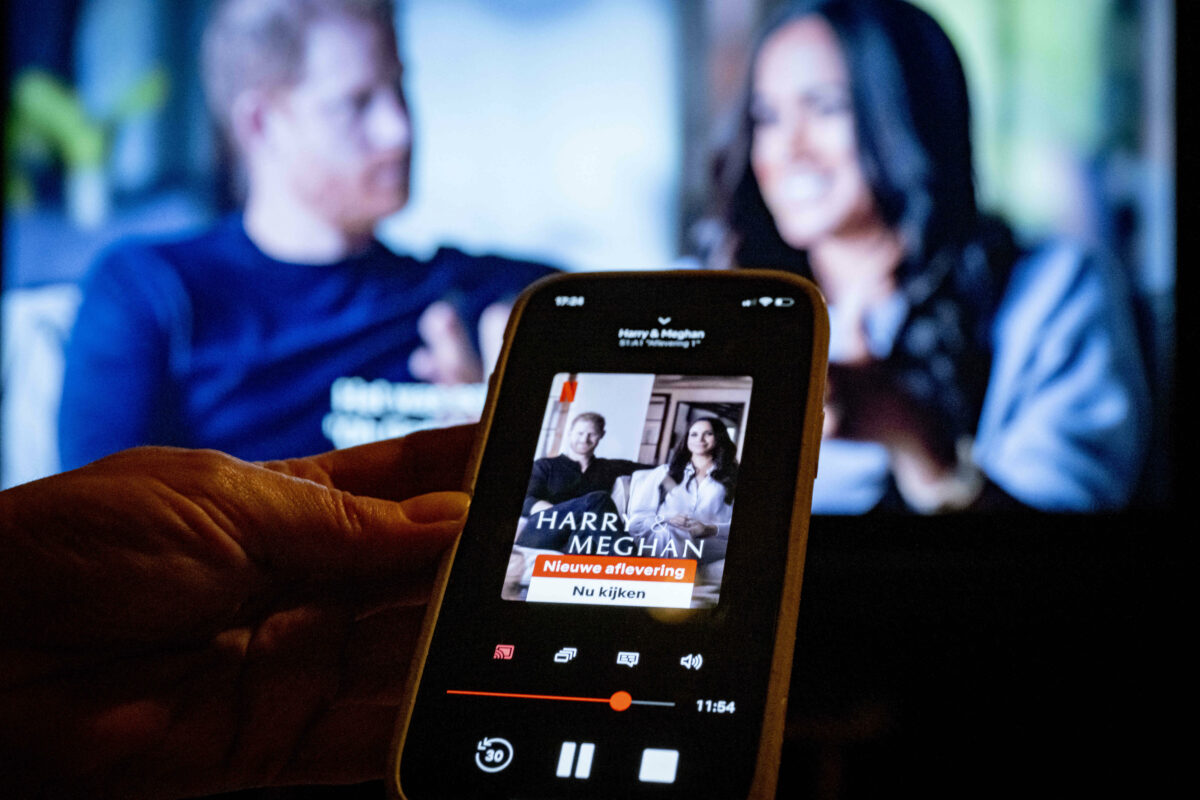
Predicted to be the TV event of the year, expectations were high for the Harry and Meghan Netflix documentary – the Palace was reportedly bracing itself for a host of damaging revelations, with PR and crisis management teams ready to spring into action at a moment’s notice.

However, despite social media setting itself alight with memes, jokes and unsolicited opinions, the Palace itself has remained steadfastly tightlipped, suggesting that – perhaps – it wasn’t so bad after all.

CEO of multi-award-winning agency Go Up, Edward Coram James, gives his take on the first three episodes of the docuseries and why the special is nothing more than a storm in a PR teacup.


From a reputation management point of view, last week’s airing of the first three episodes of ‘Harry and Meghan’ will not have changed anything.

Opinions on the Royal Family as well as The Duke and Duchess of Sussex are already largely baked in, so even the most explosive of revelations would have been unlikely to move the needle of public opinion too much in either direction. Crisis management, therefore, would have been aimed towards the small section of society that could have been swayed.

Far from explosive, the actual revelations were more of a damp squib. Misleading advertising from Netflix, in which the streaming giant combined media hype promising game-changing allegations with a cut to advertising showing a scowling Princess Catherine, intentionally sowed the ground for a hit piece on the Royal Family, by none other than the son of the King.

Instead, Harry and Meghan focus their ire almost exclusively on the British media.

The Harry and Meghan show

Although first-hand accounts of Harry and Meghan about their meeting and personal struggles made for an interesting watch, there was little high drama. It was a scandal in search of a scandal. As such, very little crisis management will have actually been required and the Royal family may be forgiven for wondering whether the vast sums of money that they will have spent on crisis comms in the run-up to this airing would have been worthwhile.

The crisis management firm/PR agency will have expected an extremely stressful week, on one hand fighting the fires of the first three episodes, while also planning for the fallout of the next three. Instead, their offices will be relatively inactive.

On a scale of 1-10, the level of crisis created was in the vicinity of a 3, and that 3 was created almost entirely by the run-up to the airing, not the airing itself. As such, only the gentlest of directional nudges would be required by the Royal family.

Were the Palace our client, we would be recommending that they remain silent and not be drawn into the fray, using arms-length non-royal connections and anonymous leaks to make any statements/point out any discrepancies in the Sussexes presentation and narrative.

“No comment”

We saw this very play in the Palace’s response. The party line was “no comment”, and the Queen’s mantra of “Never complain, never explain” kicked in. The heavy lifting, if indeed you can call it that, was undertaken by way of carefully choreographed leaks.

Principal among these was the complaint that the Palace had not been contacted by Harry or Meghan’s team for comment. Make no mistake. This is not a sincere complaint from the Palace. Had they been contacted for comment, their comment would unquestionably have been “no comment”. The leaked ‘complaint’ is purely designed to point out that the docuseries fails to interview anyone that may challenge or contradict the Sussex version of events.

The Palace wishes to highlight that it believes the series is inherently one-sided and should not be mistaken for what they would consider real journalism or film making. This very light touch approach shows that the Palace is confident that most viewers will have noticed this for themselves, and so again the leaks are aimed at a very small subset: those that had not already noticed the lack of balance within the series who also have not already picked a side.

But, it isn’t over until it’s over. The first three episodes may have been devoid of bombshells, but there are three more to come. The Palace will be confident that any major allegations would have been aired by the third episode, and so will likely believe that the whole affair has been a storm in a teacup.

However, they will not be acting with complacency and a series of contingencies will be in place to handle whatever may come their way. They will have war gamed every potential accusation made against them and will have a game plan for how to deal with each and everyone, based on the severity of each.

Netflix: it’s all in the edit

Although every eventuality should be planned for as though inevitable, my best guess is that the next three episodes will be heavy on insinuation, but shy on any breakthrough moment. Netflix appears to be using its tried and tested strategy of combining clever editing and marketing to falsely suggest that they possess explosive material and drive-up viewership numbers. After all, this very tactic used by them in the run-up to the first three episodes resulted in Harry and Meghan more than doubling the numbers for the network premiere of “The Crown”.

The key line “They were happy to lie to protect my brother” clearly hints at a major scandal and cover-up while not offering any context. Of course, Harry may well be discussing a major whitewashing exercise masterminded by the Palace. But he could equally be talking about something minor and unremarkable. Based on what we have seen so far, I would bet on something slightly to the unremarkable side of the middle.

From a financial perspective, I would not recommend that the Sussexes do anything differently. They have high numbers, huge coverage and a successful platform from which to grow their foray into production. It has more than proven the concept and made up for previously unsuccessful attempts.

However, successful or not, the formula will not work indefinitely. So far, Harry and Meghan have shown that their only recipe for success relies upon reviving family feuds. Attempts that have strayed from this formula, such as their axed animated series “Pearl”, have largely fallen short.

The difficulty is that there is only a certain amount that the Royal fallout can be milked before it stops being interesting. They face a choice: find another blueprint that revolves around more conventional filmmaking or keep on escalating.

If I was the Royal family’s crisis management team, I would be betting on the latter, and preparing accordingly for the long run. If I was the Sussex’s team, I would be concerned that following such a route will at some point dead end.

People get bored and storylines move on. I would be advising a pivot.

BroadcastFeaturesMarketing StrategyOpinion

Opinion: Why Harry and Meghan’s Netflix special is a storm in a PR teacup

Harry Meghan Netflix

Social

SUBSCRIBE TO OUR DAILY NEWSLETTER

  • This field is for validation purposes and should be left unchanged.

Most Read

Predicted to be the TV event of the year, expectations were high for the Harry and Meghan Netflix documentary – the Palace was reportedly bracing itself for a host of damaging revelations, with PR and crisis management teams ready to spring into action at a moment’s notice.

However, despite social media setting itself alight with memes, jokes and unsolicited opinions, the Palace itself has remained steadfastly tightlipped, suggesting that – perhaps – it wasn’t so bad after all.

CEO of multi-award-winning agency Go Up, Edward Coram James, gives his take on the first three episodes of the docuseries and why the special is nothing more than a storm in a PR teacup.


From a reputation management point of view, last week’s airing of the first three episodes of ‘Harry and Meghan’ will not have changed anything.

Opinions on the Royal Family as well as The Duke and Duchess of Sussex are already largely baked in, so even the most explosive of revelations would have been unlikely to move the needle of public opinion too much in either direction. Crisis management, therefore, would have been aimed towards the small section of society that could have been swayed.

Far from explosive, the actual revelations were more of a damp squib. Misleading advertising from Netflix, in which the streaming giant combined media hype promising game-changing allegations with a cut to advertising showing a scowling Princess Catherine, intentionally sowed the ground for a hit piece on the Royal Family, by none other than the son of the King.

Instead, Harry and Meghan focus their ire almost exclusively on the British media.

The Harry and Meghan show

Although first-hand accounts of Harry and Meghan about their meeting and personal struggles made for an interesting watch, there was little high drama. It was a scandal in search of a scandal. As such, very little crisis management will have actually been required and the Royal family may be forgiven for wondering whether the vast sums of money that they will have spent on crisis comms in the run-up to this airing would have been worthwhile.

The crisis management firm/PR agency will have expected an extremely stressful week, on one hand fighting the fires of the first three episodes, while also planning for the fallout of the next three. Instead, their offices will be relatively inactive.

On a scale of 1-10, the level of crisis created was in the vicinity of a 3, and that 3 was created almost entirely by the run-up to the airing, not the airing itself. As such, only the gentlest of directional nudges would be required by the Royal family.

Were the Palace our client, we would be recommending that they remain silent and not be drawn into the fray, using arms-length non-royal connections and anonymous leaks to make any statements/point out any discrepancies in the Sussexes presentation and narrative.

“No comment”

We saw this very play in the Palace’s response. The party line was “no comment”, and the Queen’s mantra of “Never complain, never explain” kicked in. The heavy lifting, if indeed you can call it that, was undertaken by way of carefully choreographed leaks.

Principal among these was the complaint that the Palace had not been contacted by Harry or Meghan’s team for comment. Make no mistake. This is not a sincere complaint from the Palace. Had they been contacted for comment, their comment would unquestionably have been “no comment”. The leaked ‘complaint’ is purely designed to point out that the docuseries fails to interview anyone that may challenge or contradict the Sussex version of events.

The Palace wishes to highlight that it believes the series is inherently one-sided and should not be mistaken for what they would consider real journalism or film making. This very light touch approach shows that the Palace is confident that most viewers will have noticed this for themselves, and so again the leaks are aimed at a very small subset: those that had not already noticed the lack of balance within the series who also have not already picked a side.

But, it isn’t over until it’s over. The first three episodes may have been devoid of bombshells, but there are three more to come. The Palace will be confident that any major allegations would have been aired by the third episode, and so will likely believe that the whole affair has been a storm in a teacup.

However, they will not be acting with complacency and a series of contingencies will be in place to handle whatever may come their way. They will have war gamed every potential accusation made against them and will have a game plan for how to deal with each and everyone, based on the severity of each.

Netflix: it’s all in the edit

Although every eventuality should be planned for as though inevitable, my best guess is that the next three episodes will be heavy on insinuation, but shy on any breakthrough moment. Netflix appears to be using its tried and tested strategy of combining clever editing and marketing to falsely suggest that they possess explosive material and drive-up viewership numbers. After all, this very tactic used by them in the run-up to the first three episodes resulted in Harry and Meghan more than doubling the numbers for the network premiere of “The Crown”.

The key line “They were happy to lie to protect my brother” clearly hints at a major scandal and cover-up while not offering any context. Of course, Harry may well be discussing a major whitewashing exercise masterminded by the Palace. But he could equally be talking about something minor and unremarkable. Based on what we have seen so far, I would bet on something slightly to the unremarkable side of the middle.

From a financial perspective, I would not recommend that the Sussexes do anything differently. They have high numbers, huge coverage and a successful platform from which to grow their foray into production. It has more than proven the concept and made up for previously unsuccessful attempts.

However, successful or not, the formula will not work indefinitely. So far, Harry and Meghan have shown that their only recipe for success relies upon reviving family feuds. Attempts that have strayed from this formula, such as their axed animated series “Pearl”, have largely fallen short.

The difficulty is that there is only a certain amount that the Royal fallout can be milked before it stops being interesting. They face a choice: find another blueprint that revolves around more conventional filmmaking or keep on escalating.

If I was the Royal family’s crisis management team, I would be betting on the latter, and preparing accordingly for the long run. If I was the Sussex’s team, I would be concerned that following such a route will at some point dead end.

People get bored and storylines move on. I would be advising a pivot.

BroadcastFeaturesMarketing StrategyOpinion

RELATED STORIES

Most Read

Latest Feature

Latest Podcast

Menu