K-Beauty on the UK high street: A case study in bottling digital communities

K-Beauty is hard to miss right now
AgenciesBrandsFeaturesMarketing StrategyOpinionWhy it Works

Korean Beauty is hard to miss right now.

Be it haircare, skincare or makeup, South Korean beauty brands like Dr. Jart+, Glow Recipe and Laneige have become drugstore bestsellers.

It’s famous-for techniques like double cleansing have made it into our everyday routines, and terms like ‘glass skin’ have become globally shared vocab, writes Heather Stewart, strategist at Household.

Korean Beauty is hard to miss right now.
.

Now, it’s finding its place and purpose on the UK high street.

But it’d be a mistake to confuse its popularity for fleeting virality. Far from an overnight fad, the category has taken up space in the West’s beauty market for some time now.

Despite regularly being revered online for “living in 2050” (a nod to its continued innovation) it once lived in the 2010s when its initial proliferation dominated the, admittedly niche, beauty market here before ultimately hitting an over-saturation-shaped bump in the road.

A reinvention for today’s consumer

A decade later it’s back and sporting a global valuation of over £8.4bn. It’s once daunting multi-step routines now offer a self-care ritual that customers can cling to in unpredictable times.

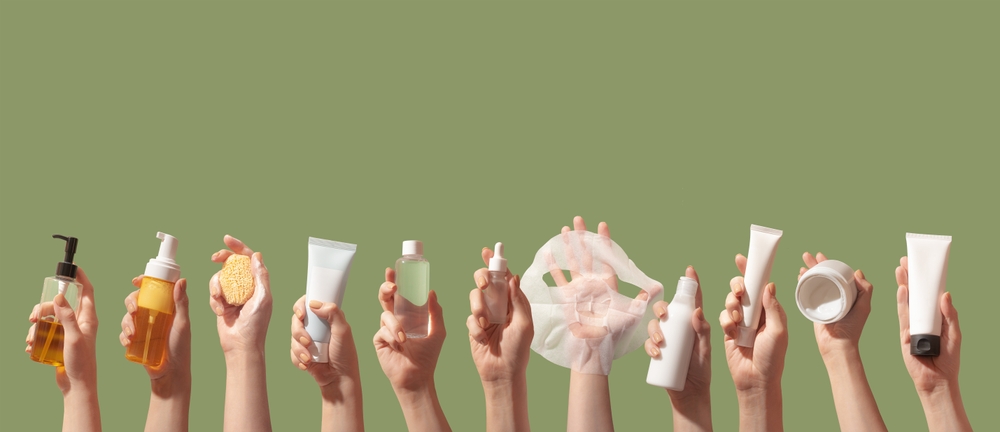
Its distinctively kitsch packaging and playful textures (think bubble masks and jelly blushes) offer a dose of dopamine when it can feel otherwise scarce, slotting right into the ‘little treat’ headspace that’s permeating customer spending right now.

And its cost effectiveness of high-quality ingredients at competitive price points goes a long way in a price sensitive economy.

So, K-Beauty is far from a newbie. Where its newness does lie is in the rapid expansion of its physical UK retail presence. The last few years, its products have featured in a regular slot on the ‘trending now’ plinths of UK beauty giants like Boots and Sephora, but now South Korean cosmetic retailers are going bigger.

Moving beyond screens and drugstore shelves and capitalising on viral sales by opening their own stores across the UK. Just this May, multi-brand retailer and category leader Pureseoul announced its plans for a new 3,000 sq ft flagship on Carnaby Street in London, the company’s largest retail space here to date and the 9th in just the last three years.


Subscribe to Marketing Beat for free

Sign up here to get the latest agency-related news sent straight to your inbox each morning


Beyond product: recreating community in-store

But when the Western market has had over a decade to be influenced by, and cannily integrate your unique philosophies, methods, ingredients and product categories that once guaranteed you market disruption, how do you design for an impactful second coming?

Well, K-Beauty’s ace in the hole isn’t merely what’s in the product, but the entire ecosystem around it.

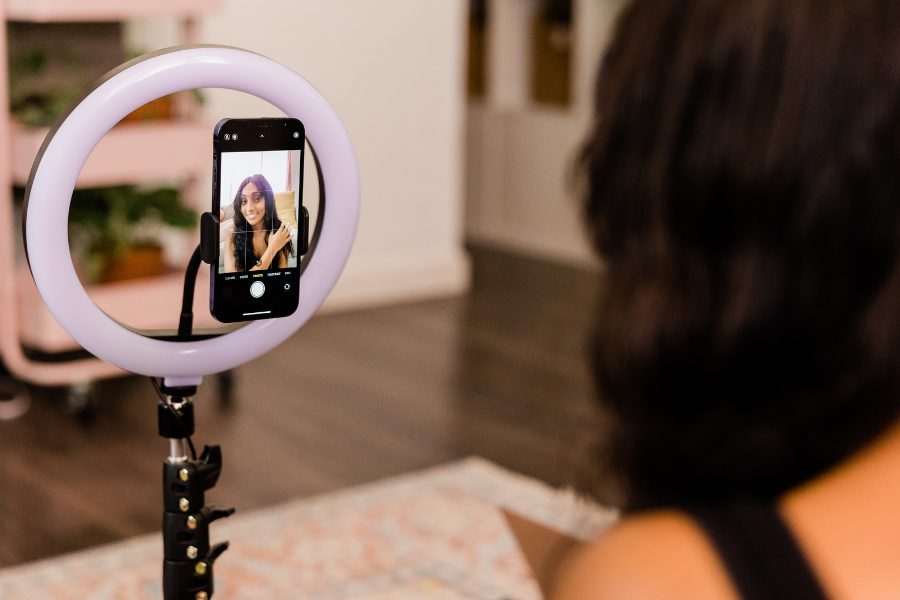
Its devout cult following currently lives in Reddit threads dissecting and rebuilding personalised routines, content creator videos dutifully demonstrating results, and their adjacent comment sections that brim with follow-up questions and recommendation requests.

Simply stacking products on a shelf would be to miss the entire point of K-Beauty, instead, the IRL experience bottles the feeling of scrolling through those reviews, tutorials, and fan-first forums by designing a dynamic, engaging, and shareable extension of the online communities that already love and champion these brands.

Just as we’ve borrowed from it to reinvent our routines, we can also look to K-Beauty for inspiration in our retail. Immersive, community-driven in-store experiences are deeply embedded in their approach, from beauty pop-ups to concept stores that blur the line between content and commerce.

They do well to craft an ownable, participatory and democratic experience that feels authentic to who it serves; whether that means inviting fans to decide what goes in the windows each week, installing digital screens that showcase real-time, real-people chatter about favourite products, or building unique experience modules that encourage fans to dive in, trial and experiment product on their own terms.

A physical footprint isn’t just shelf space; it’s a stage for the brand’s community, its creativity, and the co-creation that can come from the two. It brings beauty into its next era, where the customer isn’t just a viewer, but an active collaborator in the brand experience.

A blueprint for the modern high street

K-Beauty offers a vital reminder for its digital-first peers that success on the high-street cannot be measured purely in transactions, but in the cultivation of a dynamic, community-driven experience that fills the sensory and community gaps that online engagement, no matter how rich, simply cannot replicate.

Any retailer looking to survive the tricky realities of the modern high street should be taking notes.


AgenciesBrandsFeaturesMarketing StrategyOpinionWhy it Works

K-Beauty on the UK high street: A case study in bottling digital communities

K-Beauty is hard to miss right now

Social

SUBSCRIBE TO OUR DAILY NEWSLETTER

  • This field is for validation purposes and should be left unchanged.

Most Read

Korean Beauty is hard to miss right now.

Be it haircare, skincare or makeup, South Korean beauty brands like Dr. Jart+, Glow Recipe and Laneige have become drugstore bestsellers.

It’s famous-for techniques like double cleansing have made it into our everyday routines, and terms like ‘glass skin’ have become globally shared vocab, writes Heather Stewart, strategist at Household.

Korean Beauty is hard to miss right now.
.

Now, it’s finding its place and purpose on the UK high street.

But it’d be a mistake to confuse its popularity for fleeting virality. Far from an overnight fad, the category has taken up space in the West’s beauty market for some time now.

Despite regularly being revered online for “living in 2050” (a nod to its continued innovation) it once lived in the 2010s when its initial proliferation dominated the, admittedly niche, beauty market here before ultimately hitting an over-saturation-shaped bump in the road.

A reinvention for today’s consumer

A decade later it’s back and sporting a global valuation of over £8.4bn. It’s once daunting multi-step routines now offer a self-care ritual that customers can cling to in unpredictable times.

Its distinctively kitsch packaging and playful textures (think bubble masks and jelly blushes) offer a dose of dopamine when it can feel otherwise scarce, slotting right into the ‘little treat’ headspace that’s permeating customer spending right now.

And its cost effectiveness of high-quality ingredients at competitive price points goes a long way in a price sensitive economy.

So, K-Beauty is far from a newbie. Where its newness does lie is in the rapid expansion of its physical UK retail presence. The last few years, its products have featured in a regular slot on the ‘trending now’ plinths of UK beauty giants like Boots and Sephora, but now South Korean cosmetic retailers are going bigger.

Moving beyond screens and drugstore shelves and capitalising on viral sales by opening their own stores across the UK. Just this May, multi-brand retailer and category leader Pureseoul announced its plans for a new 3,000 sq ft flagship on Carnaby Street in London, the company’s largest retail space here to date and the 9th in just the last three years.


Subscribe to Marketing Beat for free

Sign up here to get the latest agency-related news sent straight to your inbox each morning


Beyond product: recreating community in-store

But when the Western market has had over a decade to be influenced by, and cannily integrate your unique philosophies, methods, ingredients and product categories that once guaranteed you market disruption, how do you design for an impactful second coming?

Well, K-Beauty’s ace in the hole isn’t merely what’s in the product, but the entire ecosystem around it.

Its devout cult following currently lives in Reddit threads dissecting and rebuilding personalised routines, content creator videos dutifully demonstrating results, and their adjacent comment sections that brim with follow-up questions and recommendation requests.

Simply stacking products on a shelf would be to miss the entire point of K-Beauty, instead, the IRL experience bottles the feeling of scrolling through those reviews, tutorials, and fan-first forums by designing a dynamic, engaging, and shareable extension of the online communities that already love and champion these brands.

Just as we’ve borrowed from it to reinvent our routines, we can also look to K-Beauty for inspiration in our retail. Immersive, community-driven in-store experiences are deeply embedded in their approach, from beauty pop-ups to concept stores that blur the line between content and commerce.

They do well to craft an ownable, participatory and democratic experience that feels authentic to who it serves; whether that means inviting fans to decide what goes in the windows each week, installing digital screens that showcase real-time, real-people chatter about favourite products, or building unique experience modules that encourage fans to dive in, trial and experiment product on their own terms.

A physical footprint isn’t just shelf space; it’s a stage for the brand’s community, its creativity, and the co-creation that can come from the two. It brings beauty into its next era, where the customer isn’t just a viewer, but an active collaborator in the brand experience.

A blueprint for the modern high street

K-Beauty offers a vital reminder for its digital-first peers that success on the high-street cannot be measured purely in transactions, but in the cultivation of a dynamic, community-driven experience that fills the sensory and community gaps that online engagement, no matter how rich, simply cannot replicate.

Any retailer looking to survive the tricky realities of the modern high street should be taking notes.

AgenciesBrandsFeaturesMarketing StrategyOpinionWhy it Works

RELATED STORIES

Most Read

Latest Feature

Latest Podcast

Menu

Marketing Beat has stopped reporting.

For retail Marketing insight please visit RG.

Retail Gazette