The Advertising Standards Authority (ASA) has banned two ads for “misleading” claims about the compostability of coffee pods
The first ad was a paid-for search ad for Italian coffee firm Lavazza’s Eco Caps coffee pods.
Text on the ad read: “Lavazza […] New Eco Caps”.
Further copy stated: “Lavazza A Modo Mio Eco Caps: the coffee shop taste in compostable capsules for your home. Good as usual, feels even better! The taste of Lavazza Coffee in a Compostable Capsule […] Your Espresso at Home.”
The ad was challenged on the basis that its “compostable capsules” claim was misleading.
Lavazza Coffee responded to the watchdog’s concerns by highlighting that consumers would understand the term “compostable” to mean that the pods were made out of compostable materials, not that they could be composted at home.
However, the ASA said: “The claim ‘compostable capsules’ implied the capsules, which would typically be used within the home, could be composted in a home composter, but as they were not intended to be placed there, we considered the claim was likely to mislead.”
The regulator also highlighted that the ad had a character limit of 270 and used 252, therefore, there was enough space for the company to inform consumers of how to correctly dispose of the item.
It ruled that the ad breached CAP Code (Edition 12) rules 3.1, 3.3 (Misleading advertising), 11.1, and 11.2 (Environmental claims) and banned it from appearing again in its current form.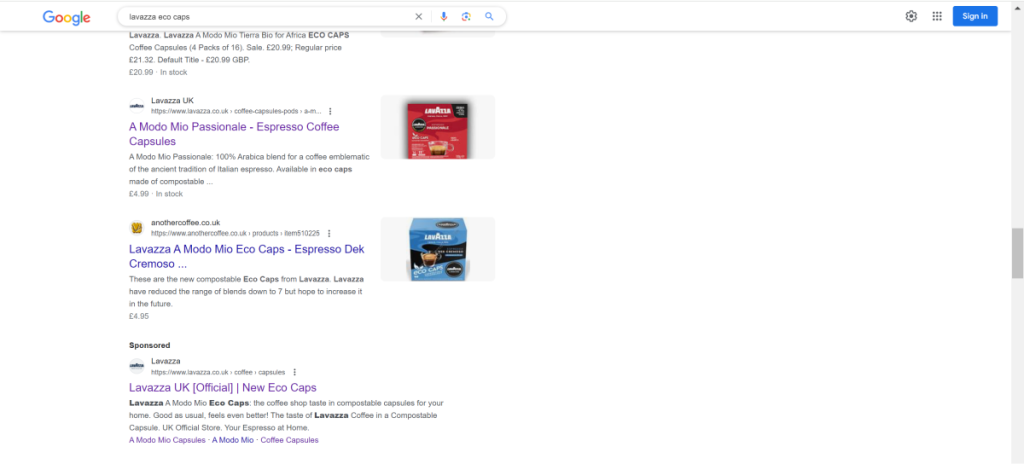
Subscribe to Marketing Beat for free
Sign up here to get the latest agency-related news sent straight to your inbox each morning
 A secondary judgement was also passed by the ASA, banning an advert from Dualit for claiming its coffee bags were compostable.
Appearing in August 2024, the paid for search ad read: “Dualit Coffee Bags – Compostable Coffee Bags. Discover Dualit’s compostable coffee bags – café-quality ground coffee in a bag”.
Dualit responded to the ASA’s queries, commenting that its coffee bags had been certified for industrial composition. The firm believed consumers would interpret the claim to mean the bags were made from a compostable material, not that they were home compostable.
It added that paid-for search ads were constrained by a character limit, so they provided further information on their website about how to dispose of the products correctly.
The regulator responded in the same manner as they did in the first case, highlighting that as the product was intended for use at home, consumers would believe it could be composted there too.
The ASA also took into consideration Duliat’s claim of a character limit but found it had only used 132 characters out of 270.
It ruled that the ads must not appear again in the same format.