Scarcity marketing or exclusivity marketing is a touchstone of modern marketing techniques.
It encourages consumers to spend money by creating demand. People often want what they can’t have or can’t easily have, and scarcity marketing plays into that. The technique encourages consumers to purchase now, as the item or offer won’t be around for long.
Christian Perrins, head of strategy at agency Waste Creative, explains: “Scarcity works when customers believe supply is genuinely limited, not artificially limited. Your Hermès bag takes days of expert craftsmanship to cut and stitch, so they can only make so many.”
“Every rare jewel on your Jacob & Co watch is cut, polished and set by hand. Perfection takes time. If the story fits the scarcity, value is created, and demand and prices go up.”
A well-executed piece of scarcity marketing can drive-up demand and price, but only “if customers really believe in the narrative behind the shortage of supply”, said Perrins.
“Scarcity also drives fame, long queues outside the store, joyful unboxing videos, and reams of earned conversation about where buyers might be able to get their hands on a scarce item.”
Engagement
So how can brands use this approach effectively?
Executive director of sales at in-house agency Oliver, Chris Woodward said: “The key to effective scarcity marketing isn’t just slapping a ‘limited time’ sticker on everything, it’s about creating genuine moments that matter to your audience.”
When done right, scarcity marketing isn’t just about driving quick sales, it is about “building a community of engaged fans who become brand advocates”, said Woodward.
“We’ve seen brands create entire subcultures around limited releases. It generates organic PR, social media buzz, and turns customers into collectors. Plus, it gives you valuable data on what your audience really values, helping inform future product strategies.”
Ethics
However, scarcity marketing can raise ethical questions and concerns but as Woodward highlighted most “consumers are savvy” and have wised-up to ploys.
“Ethical scarcity marketing means being upfront about why something is limited. Maybe it’s using rare materials, maybe it’s a genuine collaboration that won’t be repeated,” he said.
“The trick is to make scarcity part of the story, not the whole story. When Lego creates limited-edition sets, they explain the thinking behind them, making the scarcity feel natural, not forced.”
Perrins believes that to remain ethical, firms should avoid creating artificial shortages.
“Rolex are flying close to the sun currently, with enthusiasts asking why rival brand Omega can supply timepieces of equal (and often superior) quality to dealers all over the world, while Rolex apparently can’t,” he said.
Subscribe to Marketing Beat for free
Sign up here to get the latest agency-related news sent straight to your inbox each morning
Brands should always remain transparent, according to integrated agency Cheil UK’s head of strategy and experience, Michael Chadwick.
“There is real potential utility in some of the transparency we are now able to gain on supply and stock levels, in theory, being able to see that there are only two seats left on the plane is useful information, and an improvement on the days when you might have unknowingly dawdled and then missed out,” he said.
“Alongside this utility, however, are those brands employing perma-discounts punctuated by always-on deadlines. Such tactics often become less effective over time, however, as consumers are quick to sniff out brands frequently employing overtly fake scarcity messaging.”
How Nike creates value
Exclusivity marketing is used by a vast array of brands from Hermès and Louis Vuitton, to Nestlé and Starbucks. It is often found in the form of seasonal offerings like Christmas themed coffees or a limited-edition collaboration like Versace x Fendi.
According to Chadwick, brands that use the technique fall into two categories, those that use it to increase “conversion rates” and those that use it for brand cachet.
He points out that one of the most impactful examples of a company using scarcity marketing “lies on the world of sneakers” with Nike.
“With Nike as maybe the most effective protagonist, sneaker drops have turned what are effectively time-sensitive limited edition launches, into true cultural moments, with the reselling industry, now an extremely lucrative world of its own, also capitalising on this scarcity dynamic,” said Chadwick.
“This is a great example of scarcity adding some value to the customer experience, by gamifying the commerce experience, albeit with higher prices.”
Gamers are also being targeted
And it’s not just a technique that is employed in the fashion world, the gaming industry is also well known for using it.
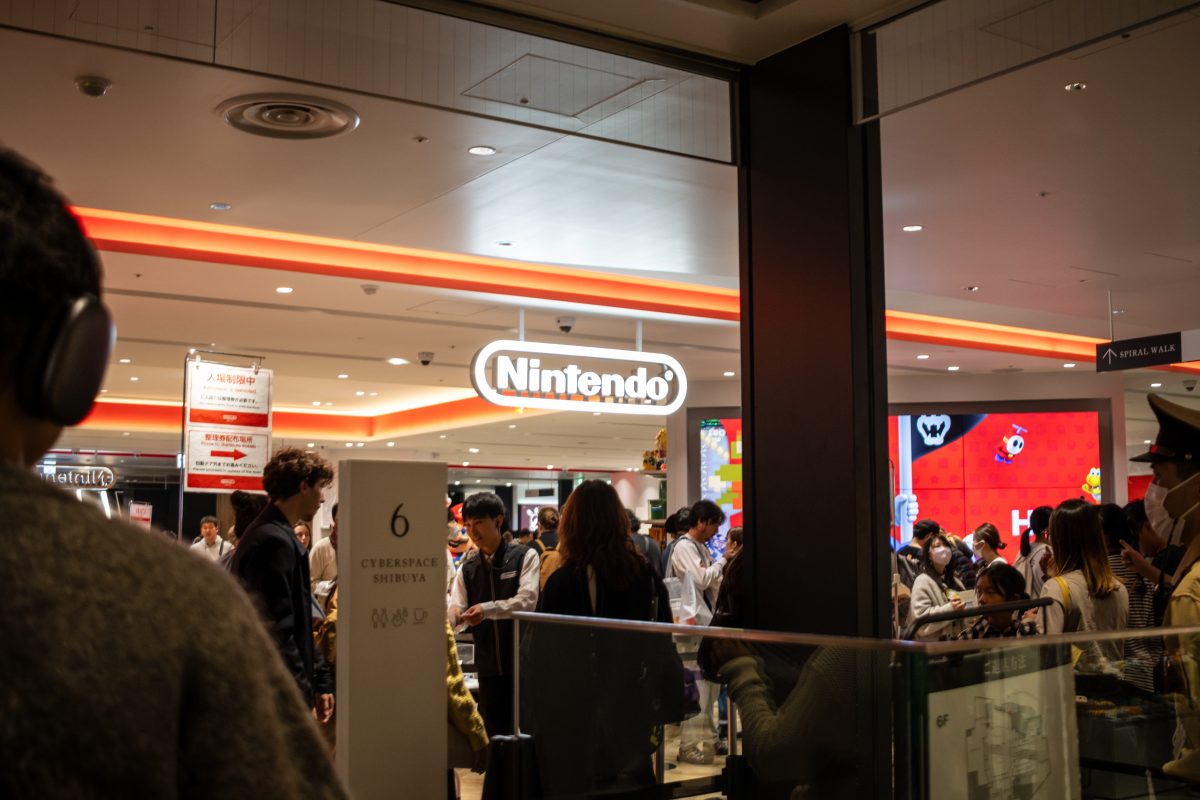
Woodward highlights that the team at Nintendo are “geniuses” when it comes to scarcity marketing.
He explained: “Nintendo’s masterclass in scarcity marketing goes beyond just limiting stock – they create genuine cultural moments. Its limited-edition consoles and games become instant collectibles because it understands its audience’s nostalgia and passion. “
Perrins added: “Nintendo Switch is a fascinating story of scarcity marketing. The launch demand in 2017 was so much higher than the brand had anticipated that the scarcity was very real. This turned an already intriguing product into a phenomenon. If you hadn’t considered a portable gaming device previously, suddenly you wondered why not.”
He added: “After all, isn’t everyone trying to get their hands on one? Then, when you got one, it lived up to the promise, killing any cynicism. I’m still awestruck by Zelda: Breath ff the Wild in 2025, and I’ll be among the millions ready to buy a Switch 2 when Nintendo lets us know when we can get one. If they tell me they’ve sold out, I’ll wait.”
In a world where we can buy most things with the click of one button, “this scarcity tactic purposefully reintroduces some effort and friction back into the buying journey, to make it feel less commoditised and more special”, said Chadwick.