More interesting than a logo, more memorable than a jingle and cheaper (and more reliable) than a celebrity endorsement, mascots have provided brands with their own version of star power for years.
And sometimes – just sometimes – a brand mascot becomes so well-known that it becomes part of everyday conversation.
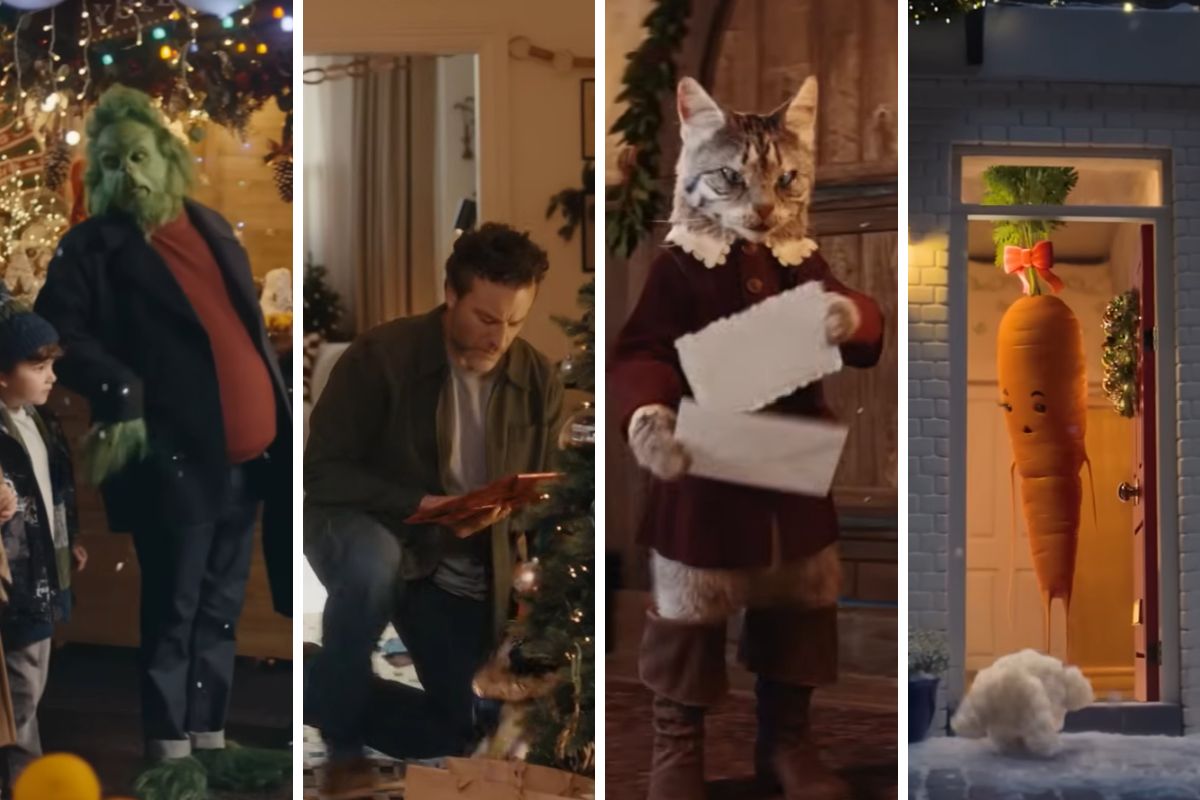
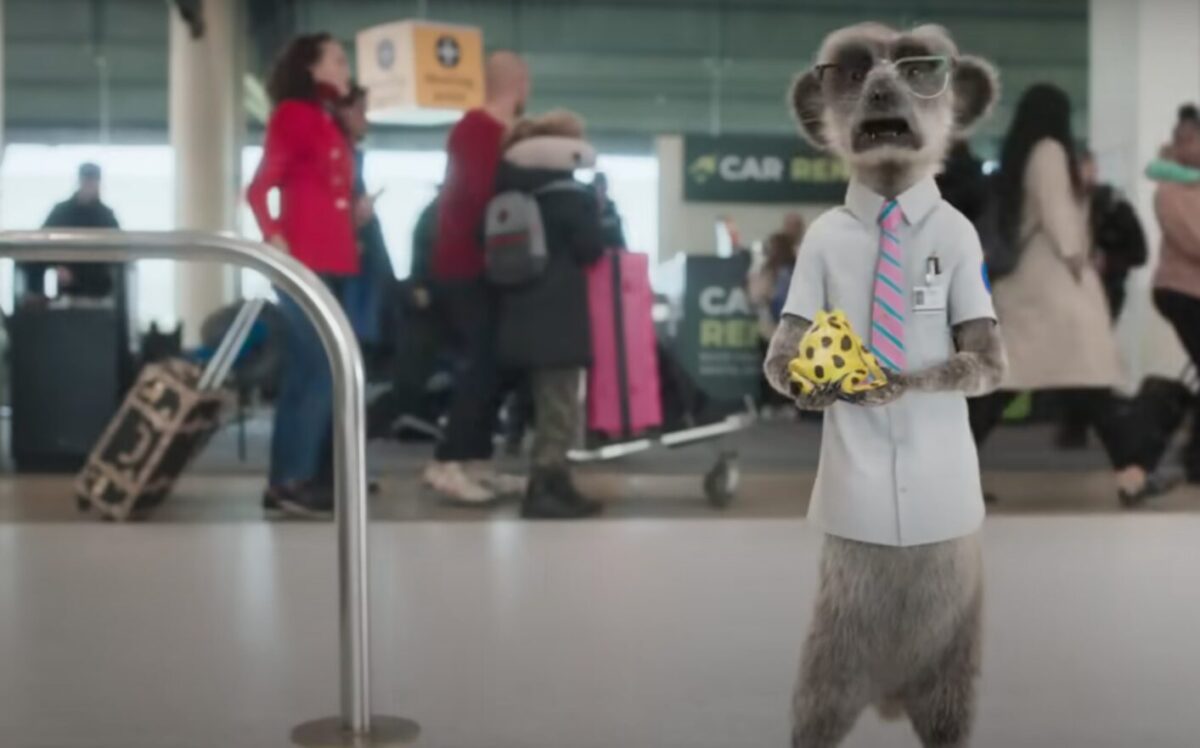
From the Duracell bunny and Captain Birdseye to Aldi’s fantastically anthropomorphic and adaptable Kevin the Carrot and Comparethemarket’s plethora of meerkats (and a less-popular wombat), done right, brand mascots can form a crucial part of a brand’s marketing strategy.
Speaking to an audience of weathered marketers at MAD//Fest earlier this year, Ogilvy boss Rory Sutherland weighed in heavily on the need for brands to think beyond short-term gains and to focus on the bigger picture of building a brand.
In fact, Sutherland believes that not doing so leads to an inevitable crisis of brand longevity as, in pursuit of wider profit margins, businesses fail to tap into the human psyche.
Between building on pre-existing characters, updating them to keep relevant, and creating increasingly life-like mascots there’s a lot to mull over – so what’s the secret to keeping a mascot both modern and authentic? And how can brands really benefit?
The science behind a ‘Grrreat’ mascot
Brands have been around since humans first began trading, but mascots in the modern sense took off in the mid-twentieth century.
As products became more and more advanced with less to set them apart, brands sought to lean on legacy and storytelling to make their mark. It was around this time that the likes of Kellogg’s came up with the concept of using now icon mascots like Snap, Crackle and Pop or Tony the Tiger – a pretty ‘grrrreat’ one, as his pedigree alone proves.
“Mascots are a shortcut for brands to be understood and to forge connections because consumers more readily understand a mascot’s personality,” says Ogilvy behaviour science lead Dan Bennett.
“They need a distinct personality and visual identity with endearing traits and quirks that consumers associate with only them.”
“From there, brands can build a narrative. Creating an engaging tale – wrapped in the brand’s message and mission – with plotlines and character development makes us follow the story and helps mascots become a marketing mainstay for years to come.”
Chief innovation officer at ad effectiveness ranking firm System1, Orlando Wood cites the humour and charm of mascots like Aldi’s Kevin the Carrot, Comparethemarket’s meerkats and Churchill Insurance’s bulldog Churchie, but notes that – alongside the importance of consistency – failing to shake things up can be the “enemy of novelty and movement”
Mascots, which Wood describes as “fluent devices”, are at their best when adapted. Aldi’s extremely high-performing Olympics ad saw the supermarket’s mascot being renamed Kévin la Carotte and racing to save the Olympic torch to the sound of Chariots of Fire.
Subscribe to Marketing Beat for free
Sign up here to get the latest marketing news sent straight to your inbox each morning
Wood says that – if used correctly – a ‘fluent device’ like Kevin or other adaptable mascots can “offer consistency while also accommodating novelty and movement, making it more likely that your audience will notice, recognise, like and remember you.”
“Once they are established for the viewer they provide a very quick mental shortcut for the brand. When you see the meerkats, you know it’s a Comparethemarket ad – no second-guessing needed,” he adds.
Likewise, such was the brand recognition of Churchill’s nodding bulldog mascot that when it was updated its mascot to a more life-like version, the brand remained instantly recognisable.
How Virgin Media is taking a modern approach to mascots
Spearheaded by agency-of-record VCCP, Virgin Media’s mascot push has hit with force. Its campaign began with a highland cow learning to ride a motorbike, before developing into a goat learning to handglide and finally a lumpy walrus smoothly riding a speedboat.
Being Virgin Media, this was all in extreme HD, but there’s a reason the company invested so heavily in the standout project.
“The broadband category is highly competitive, and mental availability is vital to success. It’s also a category where the main players are saying the same things in broadly similar ways,” explains VCCP’s executive creative director David Masterman.
“The messages are rational, the settings are literal (often domestic), and it’s easy to get lost or just rely on heavy media spend for attention. By contrast, Virgin Media has an incredible brand heritage: it’s positive, it’s bold, it’s unafraid to do things differently.”
He adds: “We have the licence that – probably – no other broadband provider has to lean into the unusual, and create something distinctive and entertaining. If anything, it’s less about us creating Virgin Media’s identity, and more about leveraging the power of the brand to shake up the category.”
Although each of the plotlines carry a similarly smooth escapist message, Masterman explains that it’s the different characteristics of each of the animals that keeps appealing, striking a balance between “total familiarity and surprise”.
“Our cow was a lumbering, slow-moving beast, who was inspired to learn to ride by watching the racing through the window. Our goat chose to soar through the skies rather than stumble around like his buddies,” he explains.
He draws a parallel with O2’s blue robot Bubl mascot (a series of works VCCP has also led the charge on) and highlights the versatility of mascots – in the case of Bubl, O2 has adapted the mascot to highlight everything from exclusive offers to priority roaming.
‘A unique power’ – why mascots tug at the heartstrings
Wood highlights that promoting mascots should ideally be done through broad reach channels but notes that for those whose budgets don’t stretch that far they can also be used well in social media (he cites Duolingo’s infamous owl as a top example).
System1’s own testing has consistently shown that recognisable characters offer a boost – Aldi ads with Kevin the Carrot receive a high average of 4.3 stars out of 5 compared with the UK supermarket category average of 3.3 stars. Comparethemarket’s meerkats have similar effect, with the meerkats lifting the brand average to 3.5 stars, above the dry insurance category average of 2.5.
Similarly, Masterman notes that when VCCP tested out mascots as part of a recent series entitled ‘Cracking the Memory Code’, it found that “brand mascots create a shortcut to being memorable and more than 50% of the highest ranked campaigns were character driven”.
Adverts with characters and mascots were also far more memorable than those featuring celebrities.
And therein lies the difference between tapping into a hype and building a legacy. In order to develop trust brands need to create a relatable story –mascots do this and build a reputation that leads to consumers feeling more willing to part with money.
As Bennett puts it: “The brain has more than 100,000 years of understanding people, but only a few hundred understanding brands.”
“Mascots carry a unique power that humanise brands to make them feel approachable, trustworthy and establish a unique tone of voice that differentiates them from competitors.”