Lucky Saint marketing director on how the brand is taking the UK by storm

Lucky Saint CMO Kerttu Inkeroinen reveals exclusively to Marketing Beat how the brand has taken the UK beer market by storm.
Face to FaceFeatures

If you’re partial to an evening at the pub, then you’ll most likely have heard of Lucky Saint. Founded in 2018, the non-alcoholic beer has had a rather whirlwind six years, catapulting itself into the mainstream of the British drinking scene.

The boom in alcohol-free alternatives has no doubt helped the brand, and through a series of clever viral campaigns, Lucky Saint has become a go-to drink its category.

Whilst the sector has become increasingly competitive in the years since Luke Boase set up the brand, with the likes of Heineken, Guinness and Asahi ramping up their alcohol-free portfolios, it remains unique in that it only offers non-alcoholic products.

This is of course one of the main reasons why it was this year named Dry January UK’s first-ever headline sponsor, opening itself up to a nationwide audience and cementing itself as a major player in the sector.

Breaking the mold

As with any successful brand, Lucky Saint was able to benefit from both an in-demand product, but also impeccable timing.

Launched just as the UK non-alcoholic beer market began to truly manifest itself into public life, the brand has been able to ride the ever-growing cultural zeitgeist into the mainstream consciousness of pub goers across the nation.

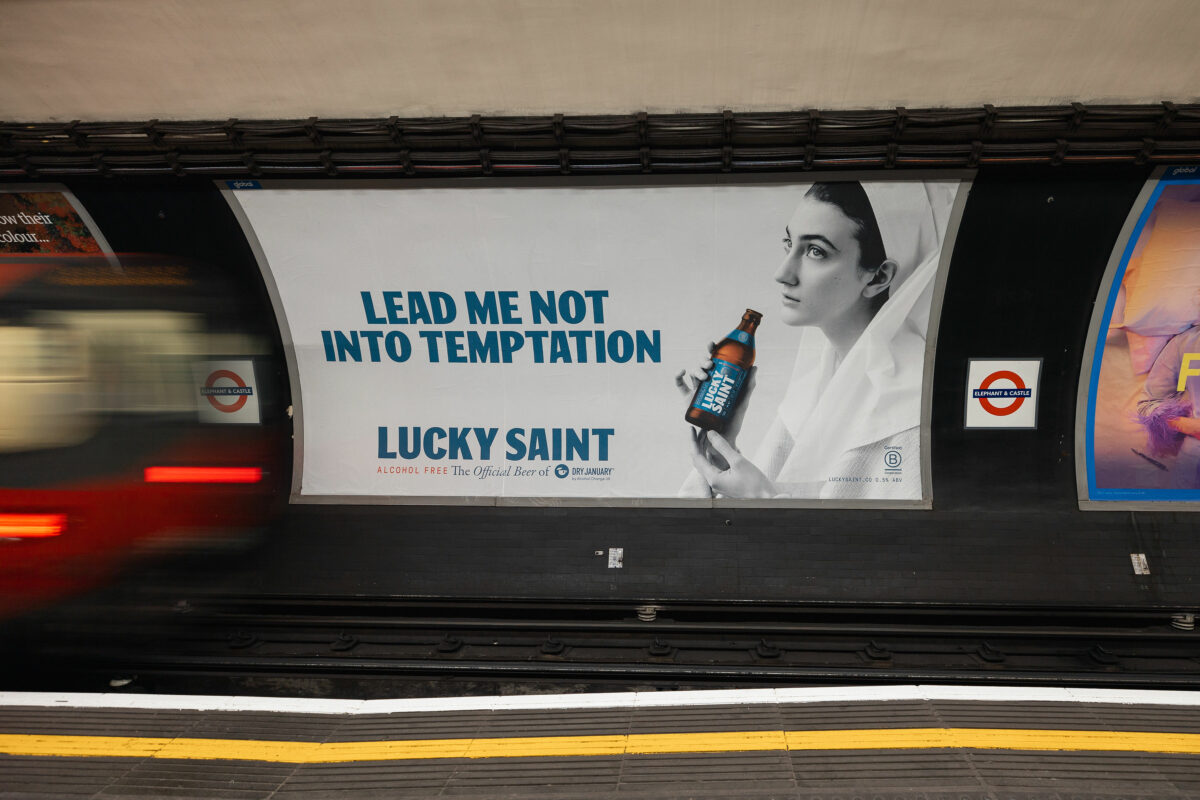
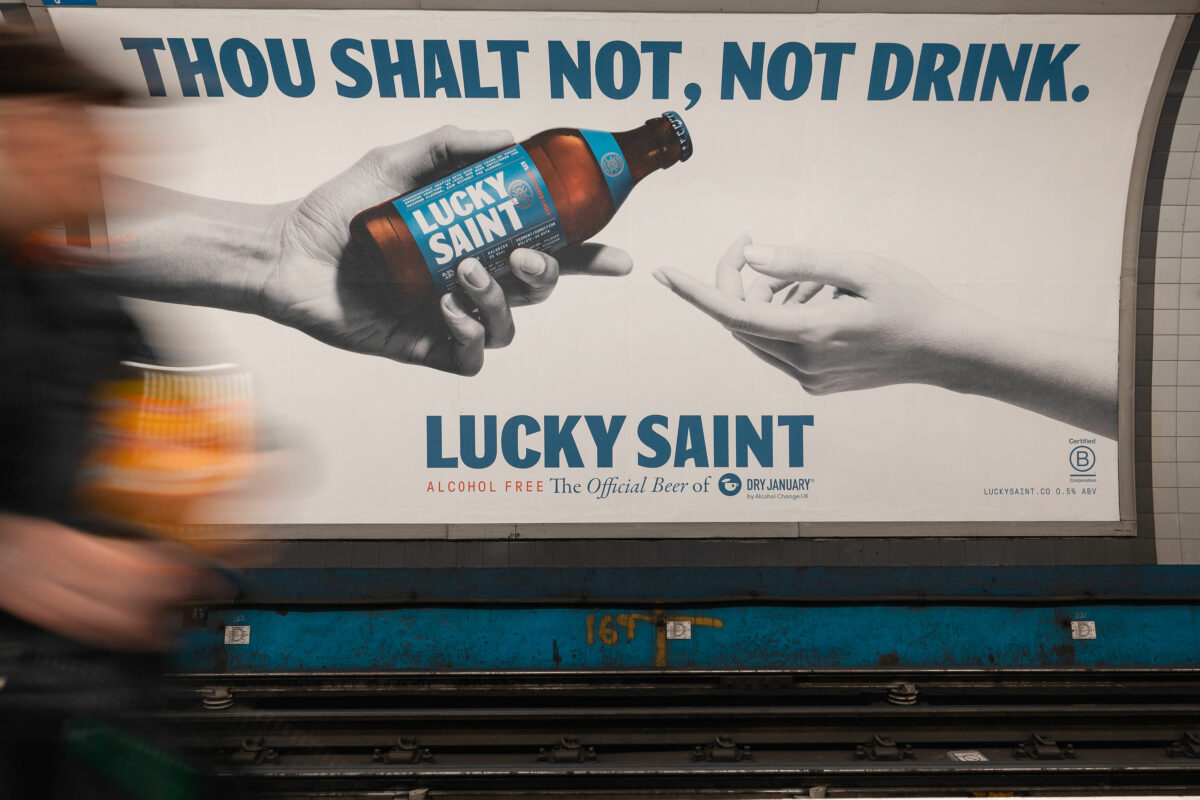
Another key to its impressive success has of course been its astute marketing campaigns over the last few years, which have been able to convert considerable numbers of moderate drinkers into loyal brand fans.

Non-alcoholic beer is nothing new, so what set Lucky Saint apart from its many competitors?

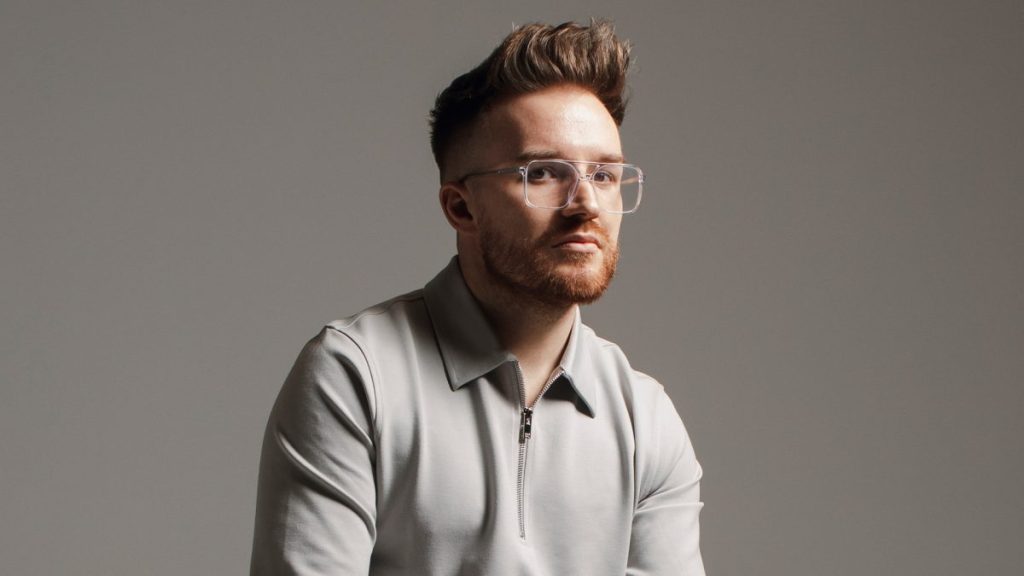
Speaking to Marketing Beat, the brand’s marketing director, Kerttu Inkeroinen believes that having a “great product” is the key to Lucky Saint’s success.
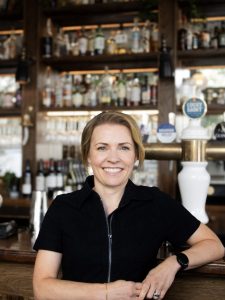
Kerttu Inkeroinen

“I think without that, even if you hook people with great marketing, they will only keep coming back if they love the product,” she explains.

“Otherwise, you just won’t get that customer and retailer buy-in and, in our case, on trade distribution is extremely important, and they are obviously evangelical about the products that they put in their pub, so we need to ensure the quality of our product.”

It would seem that this appreciation for Lucky Saint spreads across the industry, with its headline sponsorship deal of Dry January catapulting it to the forefront of the public consciousness.

Inkeroinen adds: “It’s been really powerful for us. It’s enabled us to break the beer category rules. None of our competitors could work with Alcohol Change UK in this way, but our status as a solely alcohol-free brand helps give us great credibility, resonance and relevance with both consumers and retailers.”


Subscribe to Marketing Beat for free

Sign up here to get the latest agency-related news sent straight to your inbox each morning


A question of timing

However, marketing can only take you so far, and Lucky Saint has certainly benefitted from founder Luke Boase’ timely decision to launch the business during the infancy of the non-alcoholic beer boom.

According to estimates released last summer by the British Beer and Pub Association, low and non-alcoholic beer is now the fastest growing beer category within the British market, commanding close to 3% total market share.

The future is even brighter for brands like Lucky Saint when continental Europe is taken into account, with low and non-alcoholic beers now accounting for a staggering 12% of the Spanish market, with similar figures seen in both Sweden and the Netherlands.

Although Lucky Saint lacks the large-scale global presence of Heineken or Peroni, its impact on the European scene, and the UK in particular cannot be overlooked.

“There are several other brands who have done a great job for the category as well, but I think the fact that there’s been brands like Lucky Saint showing success and interest in the category gaining traction as a result, has helped both to convince retailers to give space and also the bigger brewers to invest in the category,” said Inkeroinen.

The boom in the sector is even clearer to see when Inkeroinen reveals that Dry January is no longer the most important month in terms of sales volume for the sector, which has now been able to establish itself as a pub staple year-round, enjoying particular popularity over the summer, last year coinciding with England’s run to the Euro 2024 final.

“We’re seeing a lot more that the category isn’t just seasonal (January), last year, summer was higher for sales than January. We are now seeing a year-round consumption trend.”
A brave new world

So just what does the future hold for brands like Lucky Saint and the low and non-alcoholic beer sector in general?

Well, if our immediate neighbours are anything to go by, quite a lot indeed. Even though more similar markets such as Germany and France are still lagging behind others at around 4% – the vast growth potential is unignorable.

Which is why, as Inkeroinen pointed out, the big market players are now investing serious amounts of cash into the category – with non-alcoholic beer advertising now a staple of TV commercial breaks and sporting events.

Heineken 0.0 is now a major UEFA sponsor, and Guinness 0.0 is plastered across Premier League content from this season onwards.

Will the sector one day reach a 50% market share?

Striking a reserved tone, Inkeroinen believes that if current trends continue, this could one day be a reality: “I could see it happening if we look at how much alcohol consumption is dropping by generation.

“And this is where our brand belief is really strong that the greatest reward of drinking is a social connection, not to alcohol.”

She continues: “That is why we love the great British pub, and I do think it’s important that we all embrace alcohol-free options, so that experience and that great part of the culture isn’t linked to just drinking alcohol.”

As the sector becomes increasingly commercially viable however, the power of the big players, like ABInBev and Diageo, does risk stifling independent competition and innovation – although Inkeroinen doesn’t seem phased by this for now.

“Competition in small, fast growing categories is often a good thing, because the opportunity is so huge for us to grow the total category, and as a small brand we don’t necessarily have the means of connecting and reaching 60 million UK consumers,” she said.

“So I think it’s great that we’ve got the whole industry behind and we need to be driving forward. Choice is always a good thing.”


Face to FaceFeatures

Share:

Lucky Saint marketing director on how the brand is taking the UK by storm

Lucky Saint CMO Kerttu Inkeroinen reveals exclusively to Marketing Beat how the brand has taken the UK beer market by storm.

Social

SUBSCRIBE TO OUR DAILY NEWSLETTER

  • This field is for validation purposes and should be left unchanged.

Most Read

If you’re partial to an evening at the pub, then you’ll most likely have heard of Lucky Saint. Founded in 2018, the non-alcoholic beer has had a rather whirlwind six years, catapulting itself into the mainstream of the British drinking scene.

The boom in alcohol-free alternatives has no doubt helped the brand, and through a series of clever viral campaigns, Lucky Saint has become a go-to drink its category.

Whilst the sector has become increasingly competitive in the years since Luke Boase set up the brand, with the likes of Heineken, Guinness and Asahi ramping up their alcohol-free portfolios, it remains unique in that it only offers non-alcoholic products.

This is of course one of the main reasons why it was this year named Dry January UK’s first-ever headline sponsor, opening itself up to a nationwide audience and cementing itself as a major player in the sector.

Breaking the mold

As with any successful brand, Lucky Saint was able to benefit from both an in-demand product, but also impeccable timing.

Launched just as the UK non-alcoholic beer market began to truly manifest itself into public life, the brand has been able to ride the ever-growing cultural zeitgeist into the mainstream consciousness of pub goers across the nation.

Another key to its impressive success has of course been its astute marketing campaigns over the last few years, which have been able to convert considerable numbers of moderate drinkers into loyal brand fans.

Non-alcoholic beer is nothing new, so what set Lucky Saint apart from its many competitors?

Speaking to Marketing Beat, the brand’s marketing director, Kerttu Inkeroinen believes that having a “great product” is the key to Lucky Saint’s success.

Kerttu Inkeroinen

“I think without that, even if you hook people with great marketing, they will only keep coming back if they love the product,” she explains.

“Otherwise, you just won’t get that customer and retailer buy-in and, in our case, on trade distribution is extremely important, and they are obviously evangelical about the products that they put in their pub, so we need to ensure the quality of our product.”

It would seem that this appreciation for Lucky Saint spreads across the industry, with its headline sponsorship deal of Dry January catapulting it to the forefront of the public consciousness.

Inkeroinen adds: “It’s been really powerful for us. It’s enabled us to break the beer category rules. None of our competitors could work with Alcohol Change UK in this way, but our status as a solely alcohol-free brand helps give us great credibility, resonance and relevance with both consumers and retailers.”


Subscribe to Marketing Beat for free

Sign up here to get the latest agency-related news sent straight to your inbox each morning


A question of timing

However, marketing can only take you so far, and Lucky Saint has certainly benefitted from founder Luke Boase’ timely decision to launch the business during the infancy of the non-alcoholic beer boom.

According to estimates released last summer by the British Beer and Pub Association, low and non-alcoholic beer is now the fastest growing beer category within the British market, commanding close to 3% total market share.

The future is even brighter for brands like Lucky Saint when continental Europe is taken into account, with low and non-alcoholic beers now accounting for a staggering 12% of the Spanish market, with similar figures seen in both Sweden and the Netherlands.

Although Lucky Saint lacks the large-scale global presence of Heineken or Peroni, its impact on the European scene, and the UK in particular cannot be overlooked.

“There are several other brands who have done a great job for the category as well, but I think the fact that there’s been brands like Lucky Saint showing success and interest in the category gaining traction as a result, has helped both to convince retailers to give space and also the bigger brewers to invest in the category,” said Inkeroinen.

The boom in the sector is even clearer to see when Inkeroinen reveals that Dry January is no longer the most important month in terms of sales volume for the sector, which has now been able to establish itself as a pub staple year-round, enjoying particular popularity over the summer, last year coinciding with England’s run to the Euro 2024 final.

“We’re seeing a lot more that the category isn’t just seasonal (January), last year, summer was higher for sales than January. We are now seeing a year-round consumption trend.”

A brave new world

So just what does the future hold for brands like Lucky Saint and the low and non-alcoholic beer sector in general?

Well, if our immediate neighbours are anything to go by, quite a lot indeed. Even though more similar markets such as Germany and France are still lagging behind others at around 4% – the vast growth potential is unignorable.

Which is why, as Inkeroinen pointed out, the big market players are now investing serious amounts of cash into the category – with non-alcoholic beer advertising now a staple of TV commercial breaks and sporting events.

Heineken 0.0 is now a major UEFA sponsor, and Guinness 0.0 is plastered across Premier League content from this season onwards.

Will the sector one day reach a 50% market share?

Striking a reserved tone, Inkeroinen believes that if current trends continue, this could one day be a reality: “I could see it happening if we look at how much alcohol consumption is dropping by generation.

“And this is where our brand belief is really strong that the greatest reward of drinking is a social connection, not to alcohol.”

She continues: “That is why we love the great British pub, and I do think it’s important that we all embrace alcohol-free options, so that experience and that great part of the culture isn’t linked to just drinking alcohol.”

As the sector becomes increasingly commercially viable however, the power of the big players, like ABInBev and Diageo, does risk stifling independent competition and innovation – although Inkeroinen doesn’t seem phased by this for now.

“Competition in small, fast growing categories is often a good thing, because the opportunity is so huge for us to grow the total category, and as a small brand we don’t necessarily have the means of connecting and reaching 60 million UK consumers,” she said.

“So I think it’s great that we’ve got the whole industry behind and we need to be driving forward. Choice is always a good thing.”

Face to FaceFeatures

RELATED STORIES

Most Read

Latest Feature

Latest Podcast

Menu